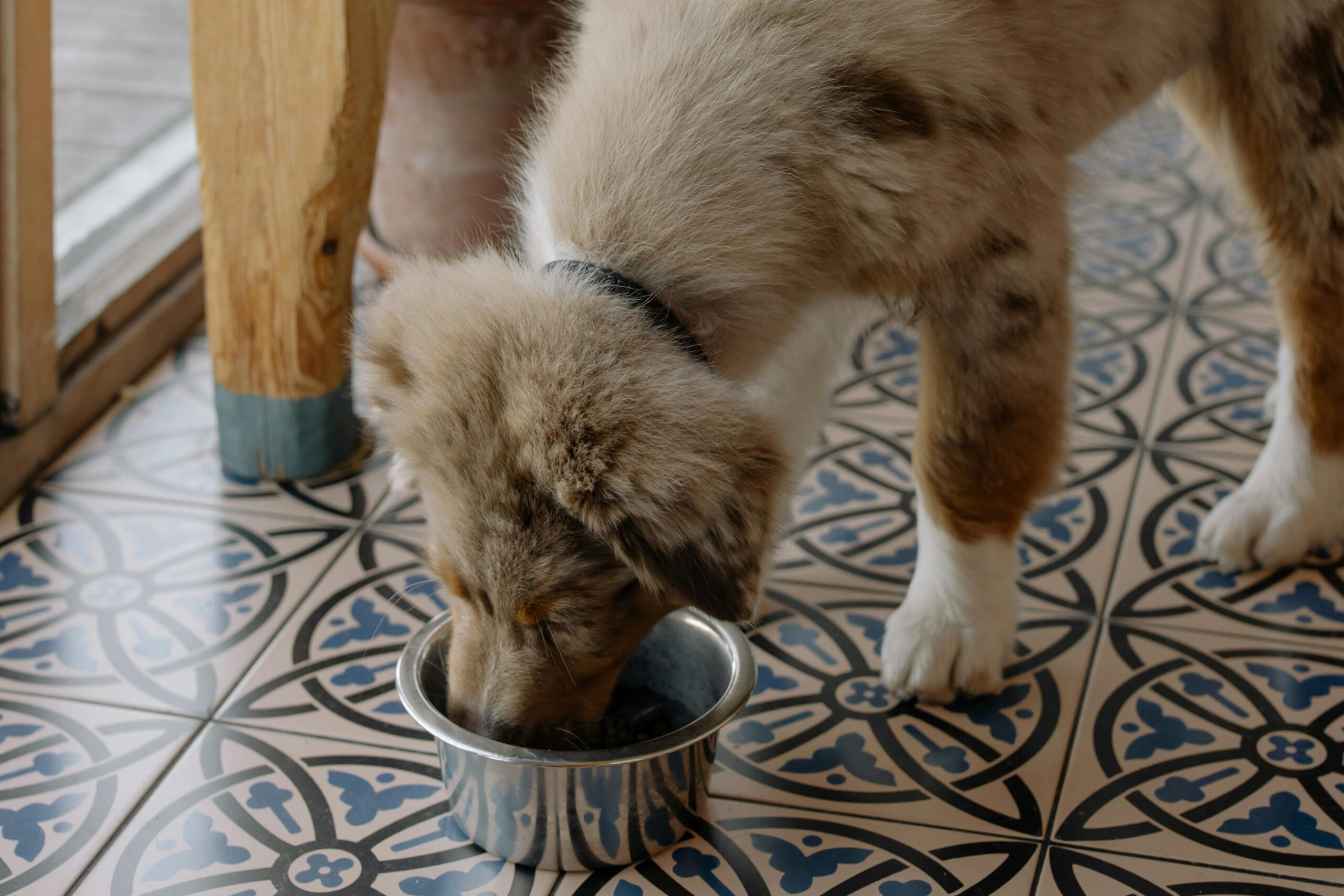
Switching your dog to a new food can be necessary—maybe you’re upgrading their diet, addressing allergies, or switching to a different life-stage formula. However, making the switch too quickly can upset your dog’s stomach and cause issues like vomiting, diarrhea, or refusal to eat. Here’s how to transition your dog safely and smoothly.
🐾 Why Transitioning Slowly Matters
Dogs have sensitive digestive systems, and a sudden change in diet can lead to gastrointestinal upset. Gradually introducing the new food gives your dog’s gut time to adjust to the new ingredients and nutrients.
📅 The 7-Day Transition Plan
Follow this simple schedule to transition your dog to a new food:
Day
Old Food
New Food
1-2
75%
25%
3-4
50%
50%
5-6
25%
75%
7+
0%
100%
Tip: Always monitor your dog during this period. If they experience severe digestive upset, slow the transition down or consult your vet.
✅ Signs It’s Going Well
Normal appetite
Healthy stools (firm, brown)
Regular energy levels
No vomiting or excessive gas
⚠️ Signs You May Need to Pause or Adjust
Loose stools or diarrhea
Vomiting
Lethargy or lack of appetite
Excessive scratching or signs of allergy
If you notice these, slow the transition process or return to the previous food temporarily. If symptoms persist, contact your veterinarian.
💧 Other Transition Tips
Stick to a feeding schedule – Feed at the same time daily.
Avoid treats or table scraps during the transition.
Add probiotics – These can help support healthy digestion (ask your vet first).
Keep fresh water available – New food might increase thirst slightly.
🛒 Recommended Dog Foods for Sensitive Transitions
Here are a few top-rated, gentle dog foods available on Amazon:
1. Hill’s Science Diet Sensitive Stomach & Skin
Easily digestible ingredients
Great for dogs with food sensitivities Buy on Amazon
2. Purina Pro Plan Sensitive Skin & Stomach
Salmon-based with no corn, wheat, or soy Buy on Amazon
3. Blue Buffalo Basics Limited Ingredient Diet
Single protein source, good for allergies Buy on Amazon
🐶 Final Thoughts
Changing your dog’s food doesn’t have to be stressful—for you or your pup. With a gradual approach, attentive care, and the right product, you’ll ensure a smooth and healthy transition.