The Squeaky One

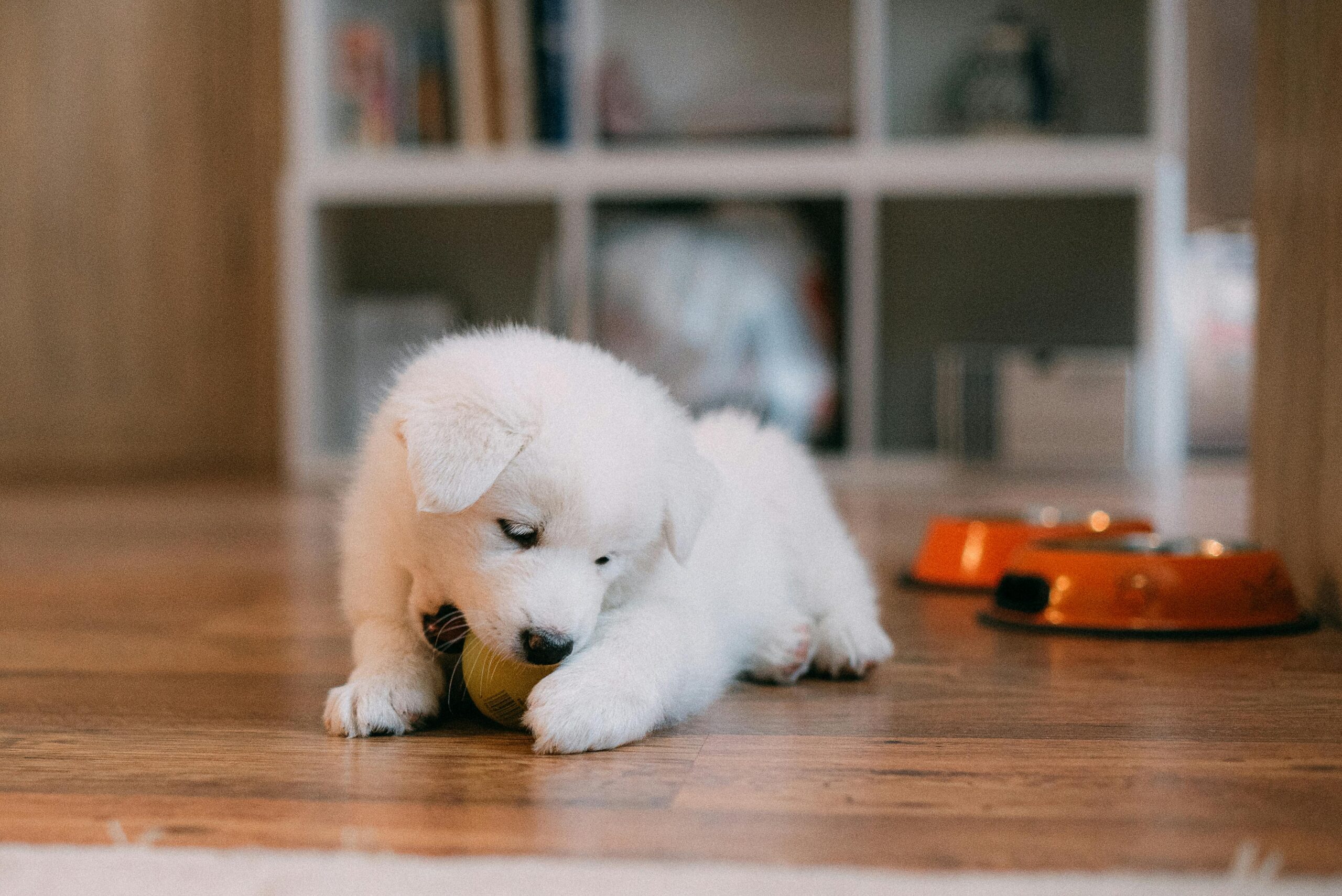
Adorable Samoyed puppy plays with a ball indoors, surrounded by cozy pet accessories.

I don’t know where the toy came from.It just… appeared one morning. A red rubber pig, squished flat on the living room rug, with eyes that looked both confused and slightly evil. I picked it up and squeezed it. SQUEEEEEE! Within 0.2 seconds, my dog Bailey was in the room, eyes wide, ears perked, tail high. And from that moment on, the pig became hers. She had toys before, of course. Plush ducks, rope bones, even a squeaky donut that survived two birthdays.But this pig? This pig was different. She carried it everywhere. Into the yard. Into her crate. Into the bathroom while I brushed my teeth.She’d gently place it beside her food bowl at dinner — a kind of offering, as if sharing her kibble might earn her squeak toy some divine favor. It became part of our lives.We gave it a name: Mr. Oink.We gave it a voice. (Bailey did not approve of my impression.) And, of course, after about six weeks of joy… Mr. Oink gave out his last squeak. She pressed it. Nothing.Pressed it again. Still nothing.She looked at me with eyes that could have written a country song. That night, I ordered a 3-pack of extra-durable squeaky toys. They arrived two days later, tucked neatly into a box that Bailey somehow recognized as important.I pulled one out — a blue elephant this time — and gave it a test squeeze. SQUEEE! Bailey’s tail wagged like a flag in a thunderstorm. It wasn’t Mr. Oink. But it was close.Close enough to bring back the bounce in her step. Dogs don’t ask for much. Just a warm place to nap, someone to follow, and a toy that squeaks back when they squeeze it — something that says, “I hear you,” even if it’s just in rubbery tones. And that’s more than enough.
🐶 Simparica Trio vs NexGard vs Bravecto: Which Is Best for Your Dog?

pexels-photo-32400929-32400929.jpg

When it comes to protecting your dog from parasites, choosing the right monthly treatment can feel overwhelming. Let’s look at three popular options trusted by vets and dog parents alike. 🟨 Simparica Trio Simparica Trio is like the all-in-one superhero of parasite prevention. It covers: Fleas & ticks Heartworms Roundworms & hookworms Perfect if you want one chewable pill to handle it all. Most dogs love the taste, and it’s convenient for busy pet owners. 📦 Comes in monthly chewable tablets. Shop Simparica Trio from Amazon here 🟥 NexGard NexGard is known for its fast action against fleas and ticks. If your dog doesn’t need heartworm protection (maybe you’re already using something like Heartgard), this might be a great fit. 📦 Also a monthly chew, but no internal worm coverage. Shop NexGard from Amazon here 🟦 Bravecto Bravecto offers something different—longer-lasting protection. A single dose lasts up to 12 weeks for fleas and most ticks. That’s just 4 times a year! 📦 However, it doesn’t protect against heartworms or intestinal worms, so you’ll need a second medication. Shop Bravecto from Amazon here ✅ So Which One Should You Choose? Product Fleas & Ticks Heartworm Intestinal Worms Dosing Simparica Trio ✅ Yes ✅ Yes ✅ Yes Monthly NexGard ✅ Yes ❌ No ❌ No Monthly Bravecto ✅ Yes (12 weeks) ❌ No ❌ No Every 3 months   💡 Tip: If you want complete protection in a single chew, Simparica Trio is your go-to. If you’re okay with a combo of treatments, NexGard or Bravecto can still be solid options.

The Most Intelligent Dog Breeds Ranked (and How to Challenge Them)

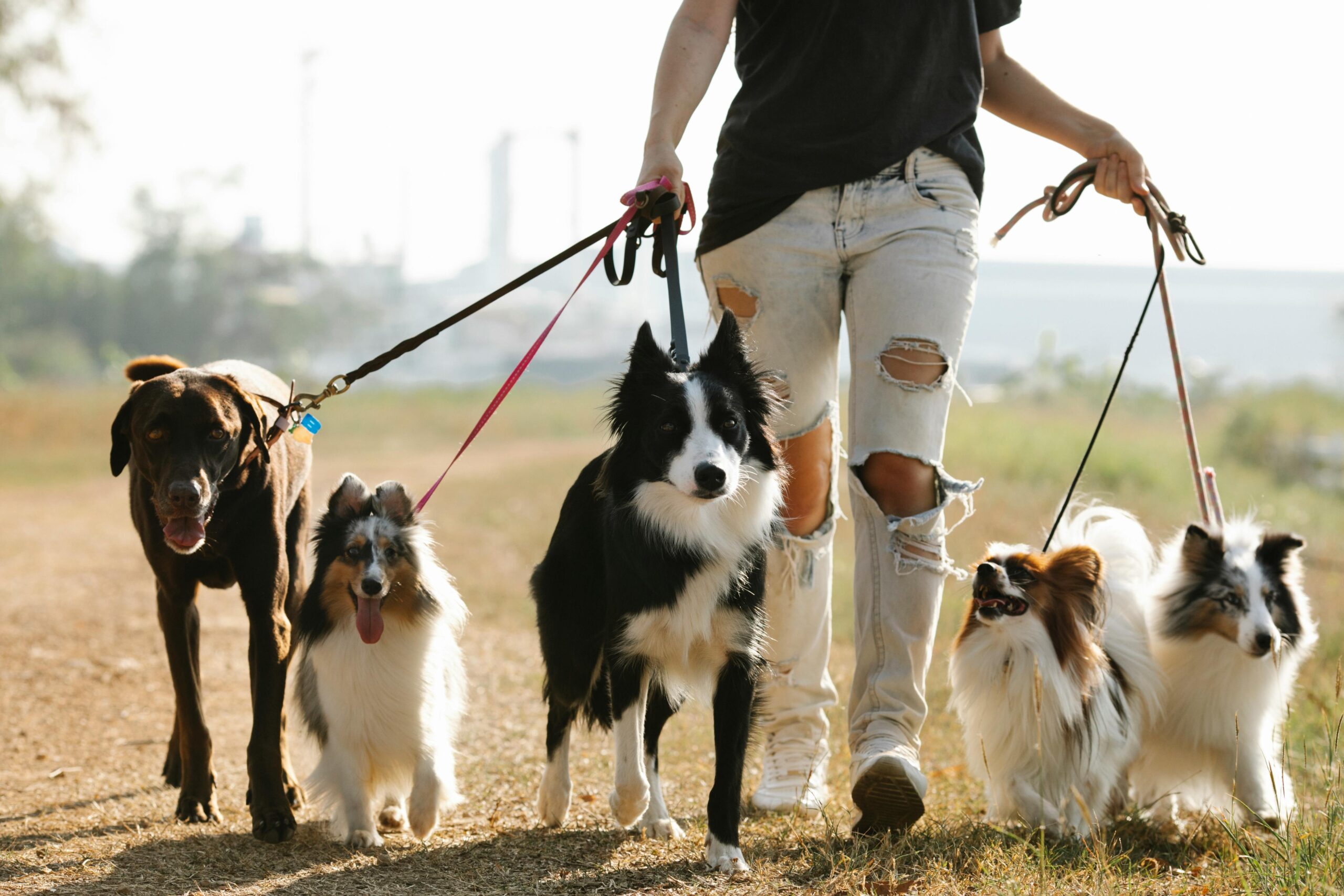
Crop anonymous female owner strolling with group of dogs of different breeds on leashes on rural road in sunny countryside

Dogs come in all shapes and sizes—but some come with an extra spark of genius. These intelligent breeds love to learn, solve problems, and outsmart their humans (in the most lovable way, of course). But with brains come needs: mental stimulation, challenges, and the right tools to keep them engaged. Let’s explore the top-ranking smart dog breeds—and how you can keep their minds sharp at every stage of life. 🧠 1. Border Collie – The Brainiac of the Dog World Why They’re Smart:Border Collies are often called the “Einsteins” of the dog world. Originally bred for herding sheep, they’re capable of understanding hundreds of words and complex commands. Challenge Them With: Advanced Interactive Puzzle Toys (look for multi-step puzzles) Agility Equipment – tunnels, weave poles, and jumps Scent Work Games – hide treats in your yard or use a snuffle mat 💡 Recommended Product:A 3-level puzzle toy or treat-dispensing ball will keep them thinking for hours. 🧠 2. Poodle – Elegance Meets Intelligence Why They’re Smart:Poodles aren’t just pretty—they’re highly trainable, love learning, and pick up tricks incredibly fast. Challenge Them With: Obedience classes or trick training at home Hide-and-seek games Water toys – They’re natural swimmers and love water play 💡 Recommended Product:Floating fetch toys or treat maze bowls for smarter mealtime engagement. 🧠 3. German Shepherd – The Loyal Problem-Solver Why They’re Smart:Used in police, military, and search-and-rescue work, German Shepherds are fast learners with a strong work ethic. Challenge Them With: Tracking games using scent Tug toys combined with commands Interactive feeder toys to slow down fast eaters 💡 Recommended Product:Puzzle feeders or food-dispensing tug ropes keep their mind and mouth busy. 🧠 4. Golden Retriever – Friendly and Focused Why They’re Smart:Golden Retrievers are eager to please, which makes them quick to train. They’re often therapy or assistance dogs due to their dependable nature. Challenge Them With: Fetch games with a twist (try a retrieval puzzle) Basic agility courses Interactive plush toys with hidden squeakers 💡 Recommended Product:Stuffable toys or snuffle mats that reward searching behavior. 🧠 5. Doberman Pinscher – Intelligent and Alert Why They’re Smart:Dobermans are alert, quick, and fearless. They excel in protection training but also make deeply loyal companions. Challenge Them With: Clicker training for precision commands Structured daily routines Guard-dog roleplay exercises 💡 Recommended Product:Smart ball launchers or obedience training kits with clickers and treat pouches. 🧠 6. Australian Shepherd – The Hyper Learner Why They’re Smart:With endless energy and a sharp mind, Aussies need both physical and mental stimulation. Challenge Them With: Obstacle courses in your yard Frisbee routines Jobs around the house (like carrying objects) 💡 Recommended Product:Agility starter kits or flying discs that hold treats for extra motivation. 🧠 7. Papillon – Small Dog, Big Brain Why They’re Smart:This tiny breed excels in obedience competitions and learns new tricks faster than most small dogs. Challenge Them With: Mini agility courses Clicker training sessions Stacking ring toys or shape sorters for dogs 💡 Recommended Product:Small-breed puzzle toys or stackable rings designed for little mouths. Final Tips for Keeping Smart Dogs Happy Rotate toys weekly to avoid boredom Use treat-dispensing gadgets during mealtime Teach a new trick every month Try canine sports like flyball, rally, or even dog yoga (yes, it exists!) 📌 Takeaway: Smart dogs don’t just want physical exercise—they crave challenges. With the right toys, games, and routines, you’ll not only prevent boredom but also strengthen your bond.

German Shepherd Puppy Growth Stages (with Care Tips at Each Phase)

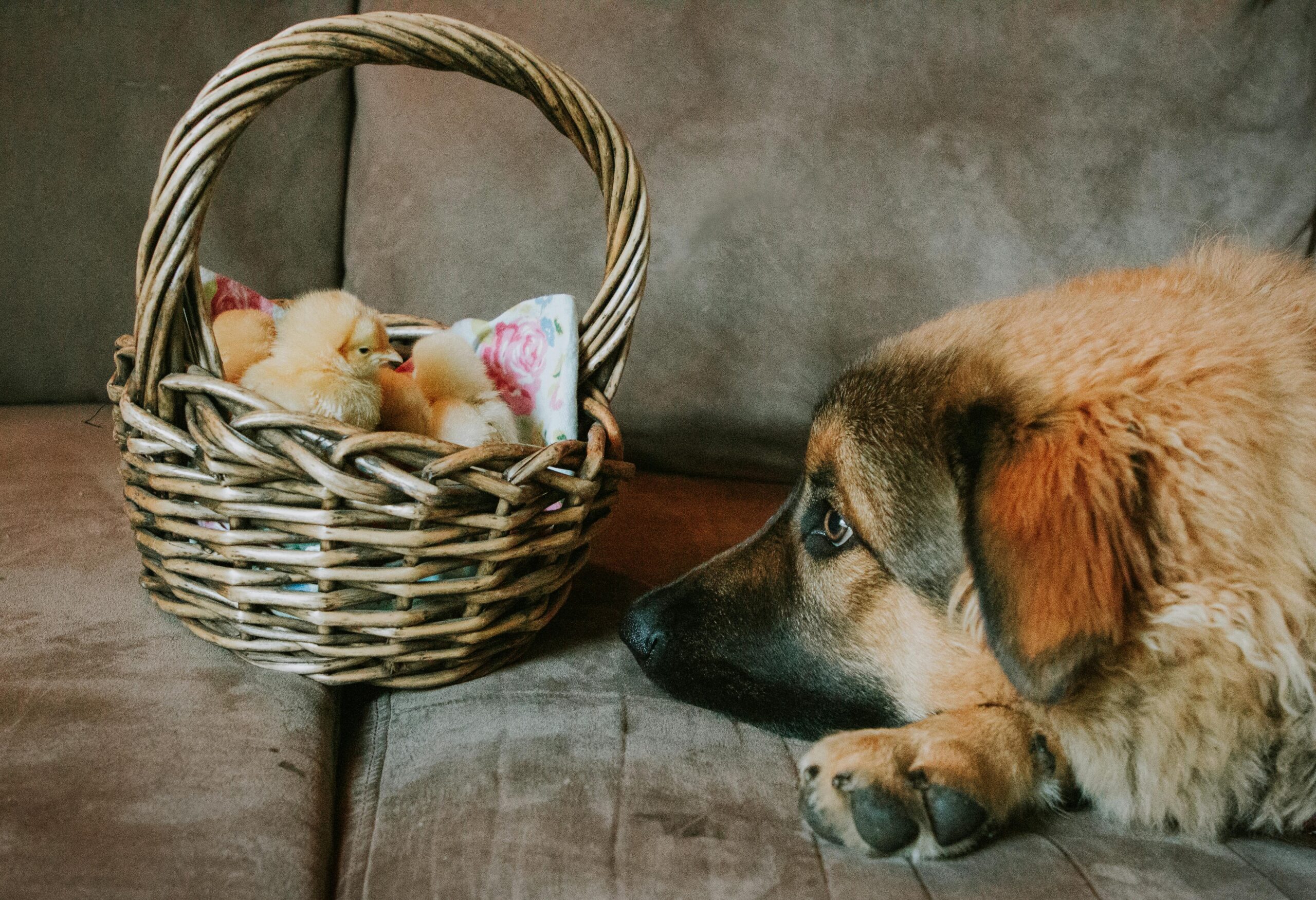
A curious dog observing fluffy yellow chicks nestled in a wicker basket on a sofa.

Raising a German Shepherd puppy is one of the most rewarding journeys for any dog lover. These pups grow quickly and go through distinct developmental phases—each with its own challenges and care needs. Below, we’ll break down the key growth stages, offer practical tips, and suggest a few must-have products to make each stage smoother for both you and your pup. 🐾 Stage 1: Newborn (0–2 Weeks) What’s Happening: Eyes and ears are closed Sleeps almost all day Fully dependent on the mother Care Tips: Keep the whelping area warm and draft-free Weigh puppies daily to monitor progress 💡 Recommended Product: Pet Heating Pad for Puppies – Keeps newborns warm without overheating. Look for a version with adjustable temperature and chew-proof cords. 🐾 Stage 2: Transitional Phase (2–4 Weeks) What’s Happening: Starts to open eyes and ears Begins crawling and exploring a bit Baby teeth appear Care Tips: Introduce gentle human contact Begin introducing light stimulation (toys, sounds) 💡 Recommended Product: Soft Plush Puppy Toys with Crinkle Sound – Gentle on tiny teeth and encourages early sensory play. 🐾 Stage 3: Socialization Window (4–12 Weeks) What’s Happening: Learns to play, chew, and socialize Very curious and quick to learn Needs gentle exposure to the world Care Tips: Start crate training and basic potty routines Begin socialization and leash introduction Feed large-breed puppy food with DHA for brain development 💡 Recommended Products: Crate with Divider for Growing Puppies – Helps with house training and keeps your pup secure at night.  Royal Canin German Shepherd Puppy Dry Food or Hill’s Science Diet Large Breed Puppy – Specially formulated for growing joints and brain health.  🐾 Stage 4: Juvenile Phase (3–6 Months) What’s Happening: Teething intensifies Grows rapidly—may look awkward Builds curiosity and independence Care Tips: Provide safe chewing options Stick to consistent walk and feeding routines 💡 Recommended Products: KONG Puppy Chew Toy – Durable and fillable with treats or peanut butter. Perfect for teething.  No-Pull Puppy Harness with Leash – Great for training polite leash behavior early.  🐾 Stage 5: Adolescence (6–18 Months) What’s Happening: Hormones surge Tests boundaries Full of energy and intelligence Care Tips: Stay consistent with training Provide mental stimulation daily Consider joint-supporting supplements 💡 Recommended Products: Interactive Puzzle Toy for Dogs – Keeps your GSD mentally engaged indoors.  Glucosamine Supplement for Large Breed Puppies – Support developing hips and joints early.  🐾 Stage 6: Adulthood (18+ Months) What’s Happening: Reaches full size More emotionally stable Still needs consistent activity Care Tips: Switch to adult large-breed food Stay active and keep their mind busy Schedule annual health check-ups 💡 Recommended Products: Adult German Shepherd Dry Dog Food (breed-specific formula for coat & joint health)  Dog Agility Set or Training Tunnels – Great for exercise and bonding.  🎯 Growth Milestone Chart (Quick View) Age Weight Range Milestones 8 weeks 16–20 lbs Socialization begins 3 months 25–30 lbs Puppy training, teething 6 months 45–60 lbs Adolescence kicks in 1 year 65–75 lbs Nearly full size, high energy 18+ months 70–90 lbs (males) Full adult form, mentally mature 🐶 Final Thoughts Every growth stage of your German Shepherd puppy comes with excitement and challenges. By understanding what’s normal and having the right tools—like chew toys, supplements, and food—you’ll be better prepared to raise a healthy, happy companion. Tip: Keep a journal of your pup’s growth—it helps track changes, vet visits, and training progress.

Which Dog Breed Matches Your Personality? (Take the Quiz!)

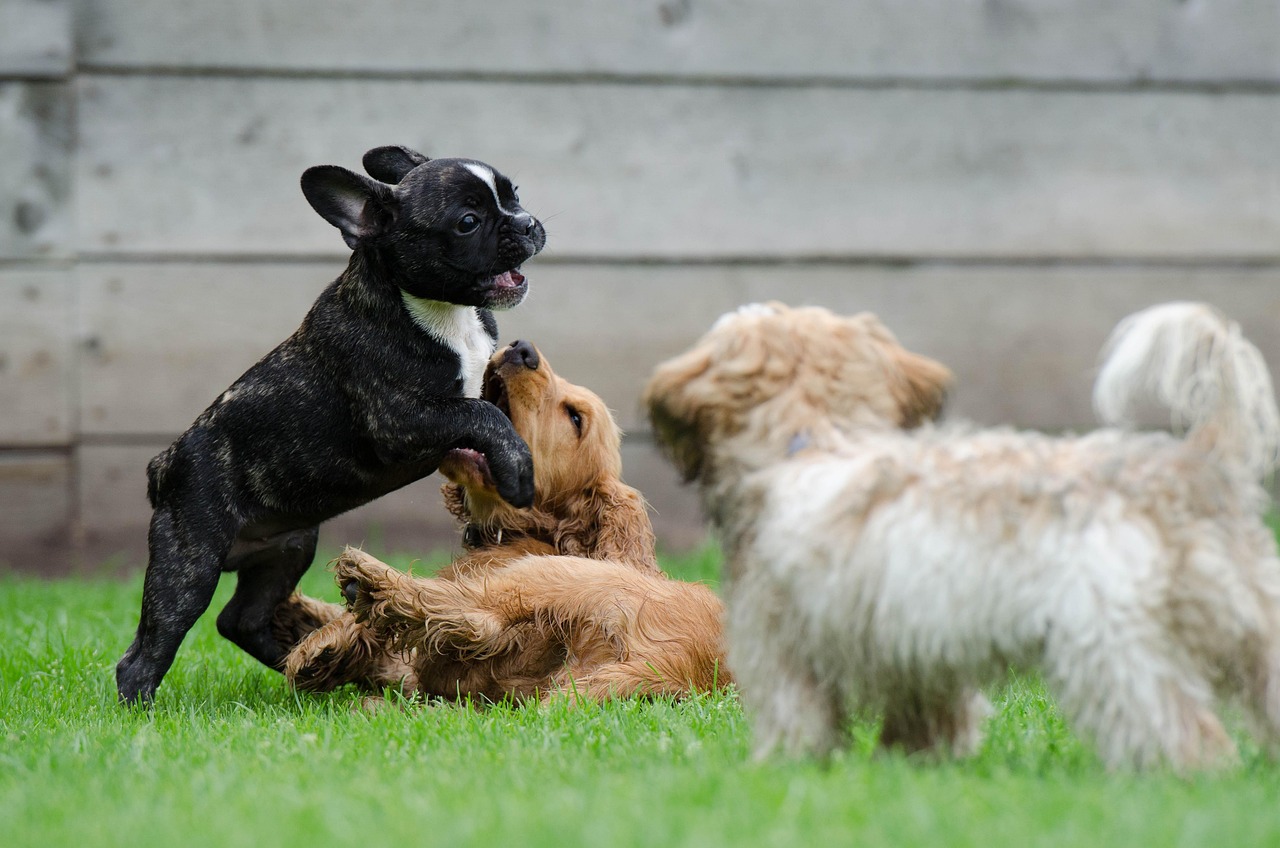
playing puppies, young dogs, french bulldog, cocker spaniel, puppies, playing dogs, young dog, puppy, puppy group, cute, french bulldog, french bulldog, french bulldog, french bulldog, french bulldog, puppies, puppy

Have you ever wondered which dog breed would be your perfect match—not just by looks, but by personality? Some people are natural-born couch cuddlers, while others thrive on outdoor adventure. So, what kind of dog would actually vibe with your lifestyle? Take this fun, personality-based quiz and find out which dog breed suits you best! 🎯 The Quiz: Find Your Canine Soulmate 1. What’s your ideal weekend? A) Hiking or exploring somewhere newB) Chilling with a book or NetflixC) Playing sports or being active outdoorsD) Catching up with friends or attending a social event 2. How much time can you realistically dedicate to a pet daily? A) 2+ hours – I’m always home or outdoorsB) 1 hour – I’ve got a decent routineC) 30 minutes or less – my life is hecticD) Depends on the day – I’m flexible 3. How would your friends describe you? A) Loyal and protectiveB) Smart and a little stubbornC) Easygoing and calmD) Energetic and outgoing 4. How tidy are you? A) I like things super cleanB) I don’t mind a little furC) Honestly, messy doesn’t bother meD) Somewhere in between 5. What size dog are you comfortable with? A) Big dog, please!B) Medium is perfectC) Small and snugglyD) Doesn’t matter—I love them all 🐾 Your Results: Meet Your Breed Match! Mostly A’s: German Shepherd or Belgian Malinois You’re loyal, driven, and value discipline. You’re best matched with a dog that thrives on purpose, protection, and training. A German Shepherd or Malinois would be your perfect companion—smart, athletic, and fiercely loyal. Mostly B’s: Shiba Inu or Chow Chow You’re independent and value peace and quiet. You’ll do well with a more aloof but intelligent breed like a Shiba or Chow—dogs that don’t need constant attention, but still love their humans (on their own terms). Mostly C’s: Cavalier King Charles Spaniel or French Bulldog You’re easygoing and want a dog that’s happy to relax with you. Low-maintenance and full of love, these breeds are charming companions without the chaos. Mostly D’s: Border Collie or Husky You’ve got big energy and a love for excitement. A working or high-energy breed like a Husky or Border Collie will keep up with your adventurous spirit—and probably beat you at fetch. 💡 Final Thoughts Choosing the right dog breed isn’t just about looks—it’s about lifestyle compatibility. Dogs have personalities too, and the closer they match yours, the happier you both will be. Whether you’re a social butterfly, introverted bookworm, or outdoor enthusiast, there’s a perfect pup out there just for you. Which breed did you get? Let us know in the comments!Want more dog content, breed comparisons, or product guides? Stick around—we’ve got you covered.

The Cone of Patience

A cute golden retriever puppy lying down with a relaxed expression, captured indoors.

The day after Max’s surgery, he wouldn’t look at me. I tried treats. I tried the baby voice. I even brought out the forbidden squeaky toy — nothing.He just sat by the back door, face pressed against the glass, the giant plastic cone around his neck turning him into a very sad satellite dish. It was a minor procedure — nothing serious. But to Max, it was the end of his freedom. No running. No jumping. No stairs. And definitely no licking. The vet called it a recovery period. Max called it betrayal. By Day 3, he’d started doing this dramatic sigh every time I walked into the room.He’d flop over like a heartbroken Victorian poet, cone bumping the floor with a hollow thunk.It was funny. Until it wasn’t. Because Max didn’t just stop playing — he stopped being Max. He didn’t bark at the neighbor’s cat.He didn’t nudge me for couch cuddles.He just… withdrew. So I did what any guilty dog parent does — I made amends.I turned the living room into a floor-level recovery lounge. I ordered him a low-profile orthopedic dog cushion so he could sprawl without bumping the cone into everything.And I laid beside him with a bowl of ice chips and two slices of turkey — one for each of us. We watched nature documentaries. We stared out the window.We did nothing — together. By Day 6, he wagged when I walked in. By Day 9, he brought me his toy, dragging the cone along like a stubborn satellite on wheels. And on Day 12, the cone came off. We celebrated with a slow walk around the block. He sniffed every mailbox like it was a long-lost friend. The world had returned — and so had Max. Turns out, the hardest part of recovery isn’t the surgery.It’s the waiting.And sometimes, the only cure is showing up — quietly, patiently, without expecting anything in return. Especially when your best friend is wearing a plastic cone and the weight of the world.

The Best Dog Foods for Active Breeds Like Huskies, Border Collies, and Shepherds

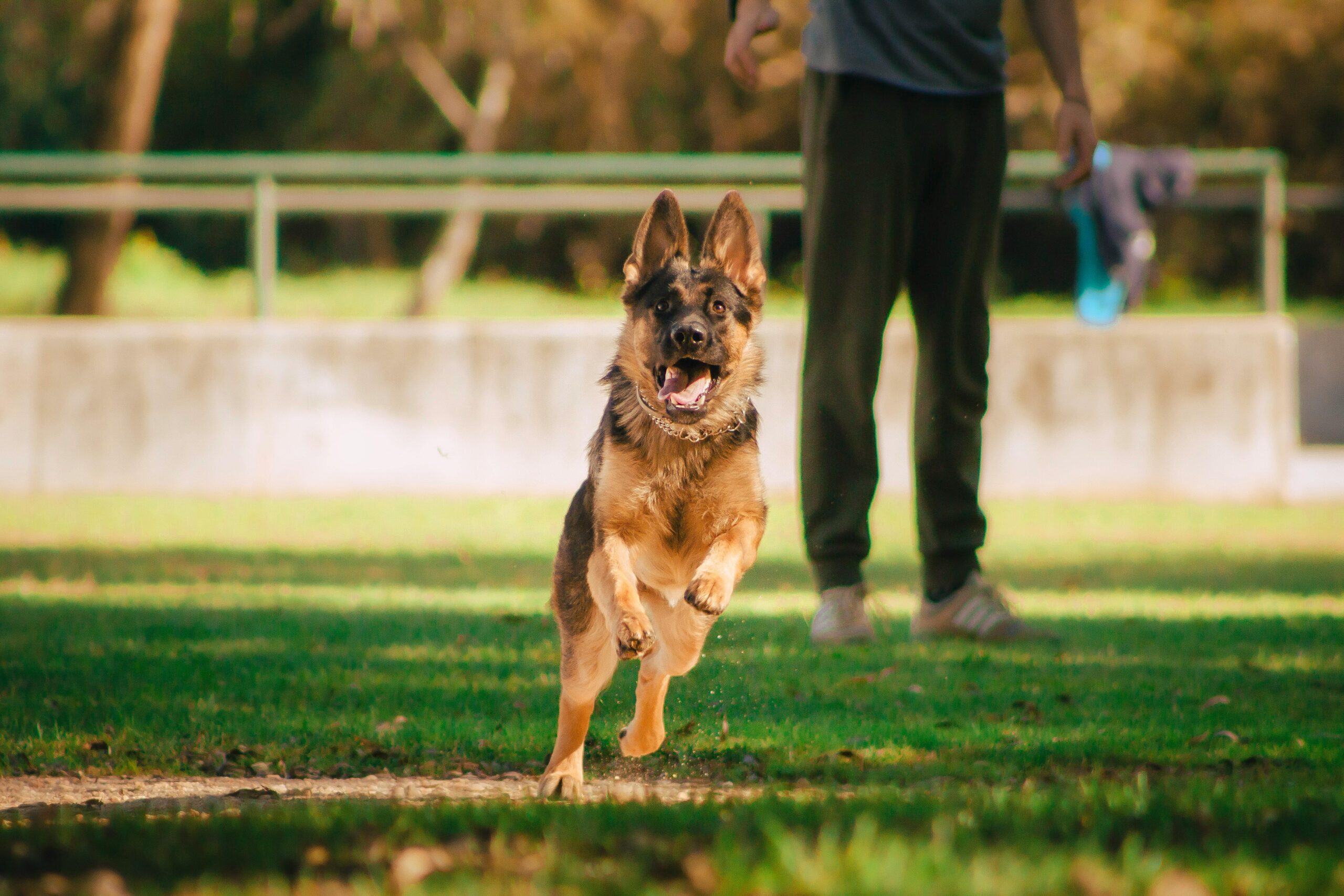
A lively German Shepherd dog joyfully runs on a sunny day in a park, bringing energy and life to the scene.

If you have an energetic dog like a Husky, Border Collie, or German Shepherd, you know how important proper nutrition is. These active breeds burn a lot of energy and need fuel that keeps up with their high drive, sharp focus, and muscular bodies. In this post, we’ll cover what to look for in dog food for active breeds—and our top picks from Amazon. 🐕 Why Active Dogs Need Specialized Nutrition Active and working breeds require: Higher protein and fat for muscle development and sustained energy Complex carbs for endurance Omega-3 fatty acids for joint and coat health Vitamins & minerals to support recovery and immune strength Without proper nutrition, these dogs can become underweight, lethargic, or develop joint issues. 🔍 What to Look for in Dog Food for Active Breeds At least 25–30% protein 15–20% fat Real meat as the first ingredient No fillers like corn, wheat, or soy Added glucosamine/chondroitin for joint health Omega fatty acids for skin and coat 🏆 Top 3 Dog Foods for Active Breeds (Amazon Picks) 1. Taste of the Wild High Prairie Canine Recipe Grain-free with roasted bison and venison Packed with protein and healthy fats Probiotics for digestion🔗 Buy on Amazon 2. ORIJEN Original Dry Dog Food 85% animal ingredients (free-run chicken, turkey, fish) Biologically appropriate for high-energy dogs Freeze-dried liver coating for picky eaters🔗 Buy on Amazon 3. Blue Buffalo Wilderness High Protein, Chicken Recipe Real deboned chicken is the first ingredient Enriched with LifeSource Bits (blend of antioxidants, vitamins, minerals) Grain-free, great for sensitive stomachs🔗 Buy on Amazon 🍽️ Feeding Tips for Active Dogs Feed based on activity level, not just weight Split meals into two or more to maintain energy throughout the day Add a dog-safe food topper for extra calories and nutrients during intense training 🐾 Bonus: Homemade Food Isn’t Always Better Unless carefully balanced, homemade diets often lack essential nutrients. Stick with high-quality kibble or consult a vet for a home-cooked meal plan. 📌 Final Thoughts Feeding an active dog isn’t just about filling their bowl—it’s about giving them fuel to thrive. Choosing a nutrient-dense, protein-rich food ensures your Husky, Collie, or Shepherd stays healthy, energized, and ready for whatever adventure comes next.

The Day She Stopped Running

Bella used to run like the wind. Back when she was a pup, people would stop and stare at the blur of golden fur tearing across the dog park. She was fast — not just greyhound fast, but joyful fast. The kind of running that made kids laugh and old men nod with quiet admiration. And every time she reached the far fence and turned around, she’d bolt straight back to me like I was the finish line. But time… has its way. She’s twelve now. The grey on her muzzle has outpaced the gold. Her hips creak, her eyes cloud a little when the light hits just right. And last week, for the first time ever, Bella didn’t run. We got to her favorite spot. I unclipped the leash. She looked out over the field… and just stood there. No sprint. No tail-up charge.Just a slow walk to a shaded patch of grass, where she laid down, sighed, and watched the world go by. I sat beside her, heart heavier than I expected.It hit me: she wasn’t here to play anymore. She was here to be. To smell the wind. To feel the grass under her paws.And maybe, to remind me to do the same. I pulled the foldable outdoor dog mat from my backpack — one of those padded, roll-up kinds we got last year for road trips. Laid it out. She shifted onto it like it was familiar. Like she remembered the days we shared sandwiches on hiking trails and napped beside lakes. We stayed for over an hour. Saying nothing. Just… existing. Now, every Saturday, we go to that field.I bring the mat. She brings the calm. And I’ve started noticing things I never did when we were busy running — birds nesting on the fence post, a tree that always leans to the east, the way Bella’s ears twitch even when she sleeps. She might not run anymore. But she’s still teaching me how to live.

Can Dogs Eat Human Food? What’s Safe and What’s Not

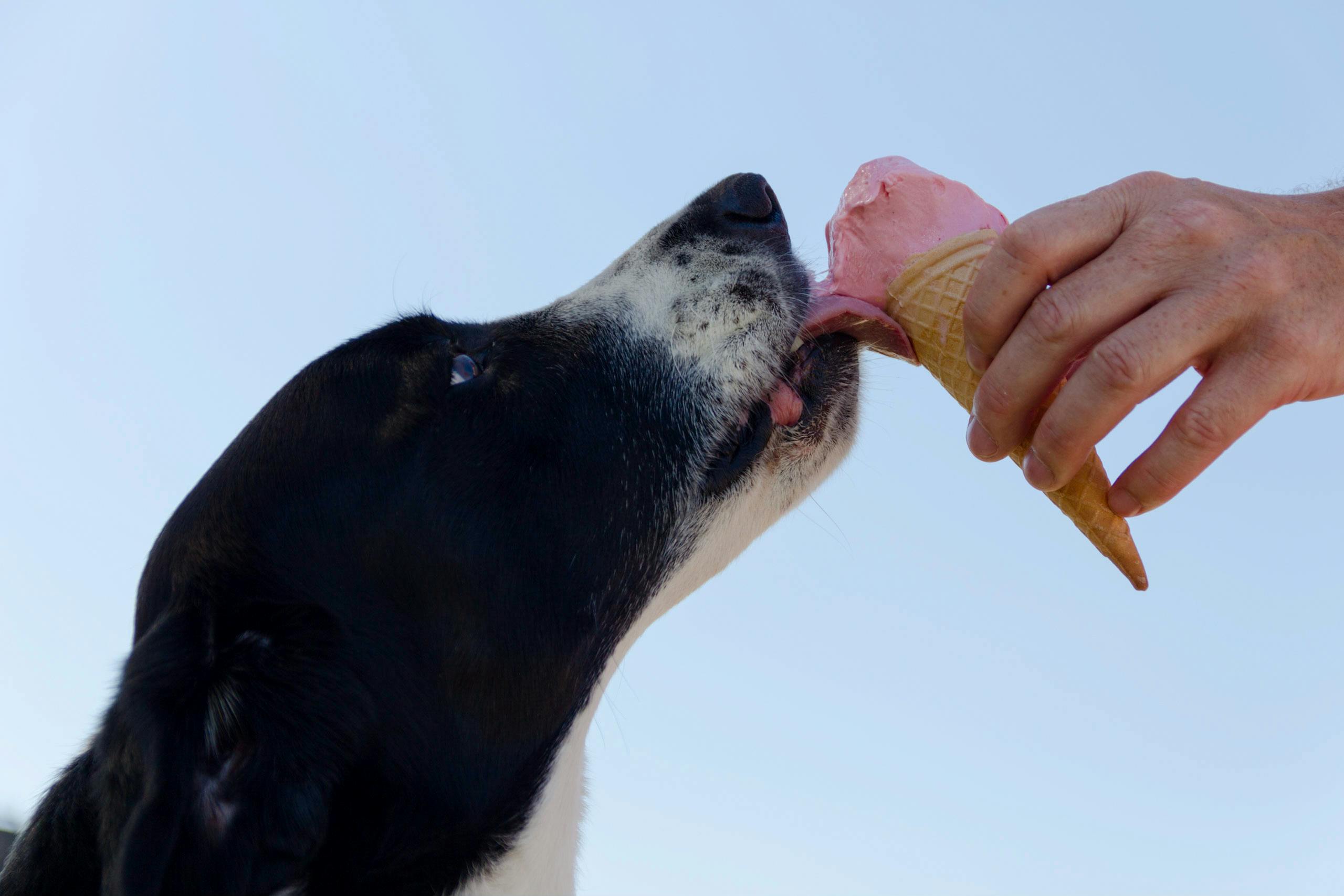
Adorable dog licking an ice cream cone held by a hand outdoors. Perfect summer treat moment.

It’s tempting to share a bite of your meal with your furry friend—especially when they give you those puppy eyes. But not all human foods are safe for dogs. Some can be healthy treats, while others are toxic and even life-threatening. In this post, we’ll break down what human foods your dog can eat, and which ones you should never feed them. ✅ Human Foods That Are Safe for Dogs These foods are generally safe in moderation and can even offer health benefits:   🥕 Vegetables Carrots – Great low-calorie treat, good for teeth. Green beans – High in fiber and low in calories. Cucumbers – Hydrating and crunchy. Sweet potatoes (cooked) – Rich in fiber and vitamins. 🍎 Fruits Apples (no seeds) – Good source of vitamins A and C. Bananas – Great for energy but high in sugar, feed in moderation. Blueberries – Full of antioxidants. Watermelon (seedless) – Hydrating and safe in small amounts. 🍗 Proteins Cooked chicken/turkey (no bones or seasoning) Boiled eggs – High in protein and easy to digest. Plain cooked salmon – Rich in omega-3 fatty acids. 🧠 Pro Tip: Always serve these foods plain, with no added salt, spices, onions, or garlic. ❌ Human Foods Dogs Should NEVER Eat These foods can be toxic, cause illness, or even death:   ☠️ Highly Toxic Chocolate – Contains theobromine, toxic to dogs. Grapes and raisins – Can cause kidney failure. Onions and garlic – Can damage red blood cells. Xylitol (in sugar-free gum, candy, baked goods) – Can cause a dangerous drop in blood sugar and liver failure. ⚠️ Dangerous or Risky Cooked bones – Can splinter and cause choking or internal damage. Avocados – Contains persin, toxic in large amounts. Macadamia nuts – Highly toxic to dogs. Alcohol or caffeine – Extremely harmful to dogs’ organs and nervous system. 🧺 Occasional Treats (Use Caution) These are not toxic, but should only be given in moderation: Cheese – Many dogs are lactose intolerant. Peanut butter (xylitol-free) – High in fat and calories, but dogs love it! Rice and pasta (plain) – Good for bland diets, but not nutrient-rich. 🐶 Final Tips Before Sharing Your Food Always introduce new foods slowly. Watch for signs of allergies or stomach upset (vomiting, itching, diarrhea). When in doubt, ask your vet first. 🛍️ Helpful Products for a Balanced Diet If you’re looking for healthy treats or supplements to support your dog’s nutrition: 🦴 Dog multivitamins with real food ingredients – Amazon 🍪 Natural training treats made from real meat – Amazon 🍽️ Dog food toppers with freeze-dried fruits & veggies – Amazon 📌 Summary Chart Safe Foods Dangerous Foods Carrots, Apples Chocolate, Grapes Chicken, Eggs Onions, Garlic Blueberries Xylitol, Alcohol 📣 Share this with fellow dog parents! Knowing what’s safe (and what’s not) could save your dog’s life. Stick to dog-safe treats and you’ll both stay happy and healthy.

The New Routine

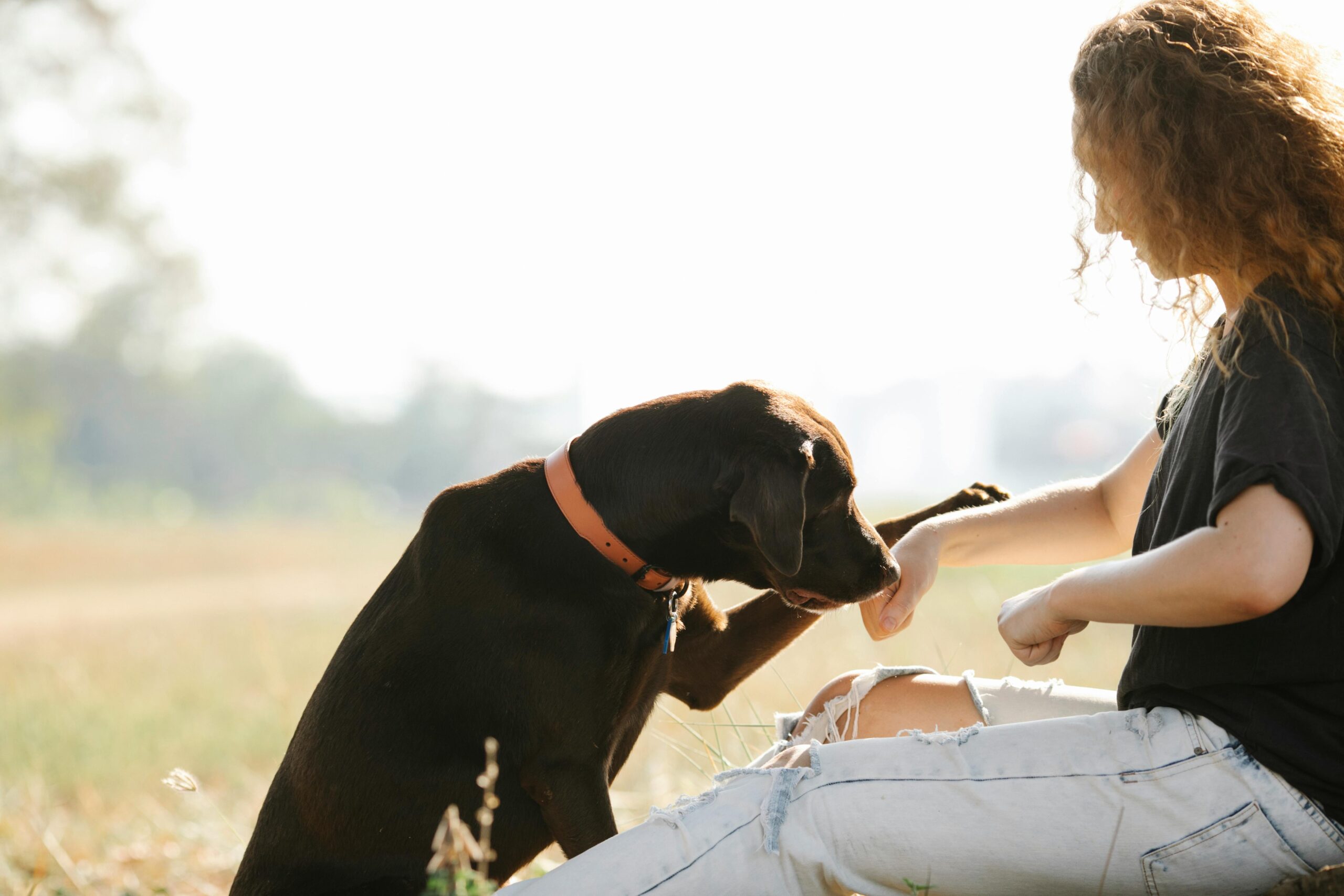
Woman sits with Labrador retriever in field, showcasing a heartwarming human-animal bond.

When I got laid off, I thought the worst part would be telling my family.Turns out, it was telling my dog, Henry. Okay — obviously, Henry didn’t understand the economics of it all. But he did understand that something was off. That I wasn’t putting on my work shoes. That I was drinking coffee slower. That I sighed a lot more before noon. And instead of moping in solidarity like a good boy, Henry decided this was the beginning of our new life. Day One, 8:07 AM: he dropped his leash in my lap. He’d never done that before. Not on a weekday.It was like he’d memorized my work schedule and decided we were done with it. So I gave in. We walked. That became our thing.Every morning — no matter what I had (or didn’t have) going on — we went out. He took me on new routes. Through parks we’d never explored. Around lakes with slippery edges and benches just wide enough for the two of us. He’d sniff bushes like they were ancient relics, wagging with the kind of joy that made strangers smile. At home, I swapped out his old leash for a hands-free dog leash — something I bought on a whim but grew to love. It clipped around my waist so I could sip coffee and carry a notebook, letting Henry guide our steps while I thought, planned, and eventually… dreamed again. Three weeks in, I got a freelance offer.Five weeks in, I had three clients. But the routine? That stayed. Even now, when I’m “back to work,” Henry still gets his walk at 8:07. On the dot.And I still let him lead. Because it wasn’t the career shift or the freedom that changed me. It was the dog who reminded me how to show up for life.One leash loop at a time.