How to Transition Your Dog to a New Food Without Upsetting Their Stomach
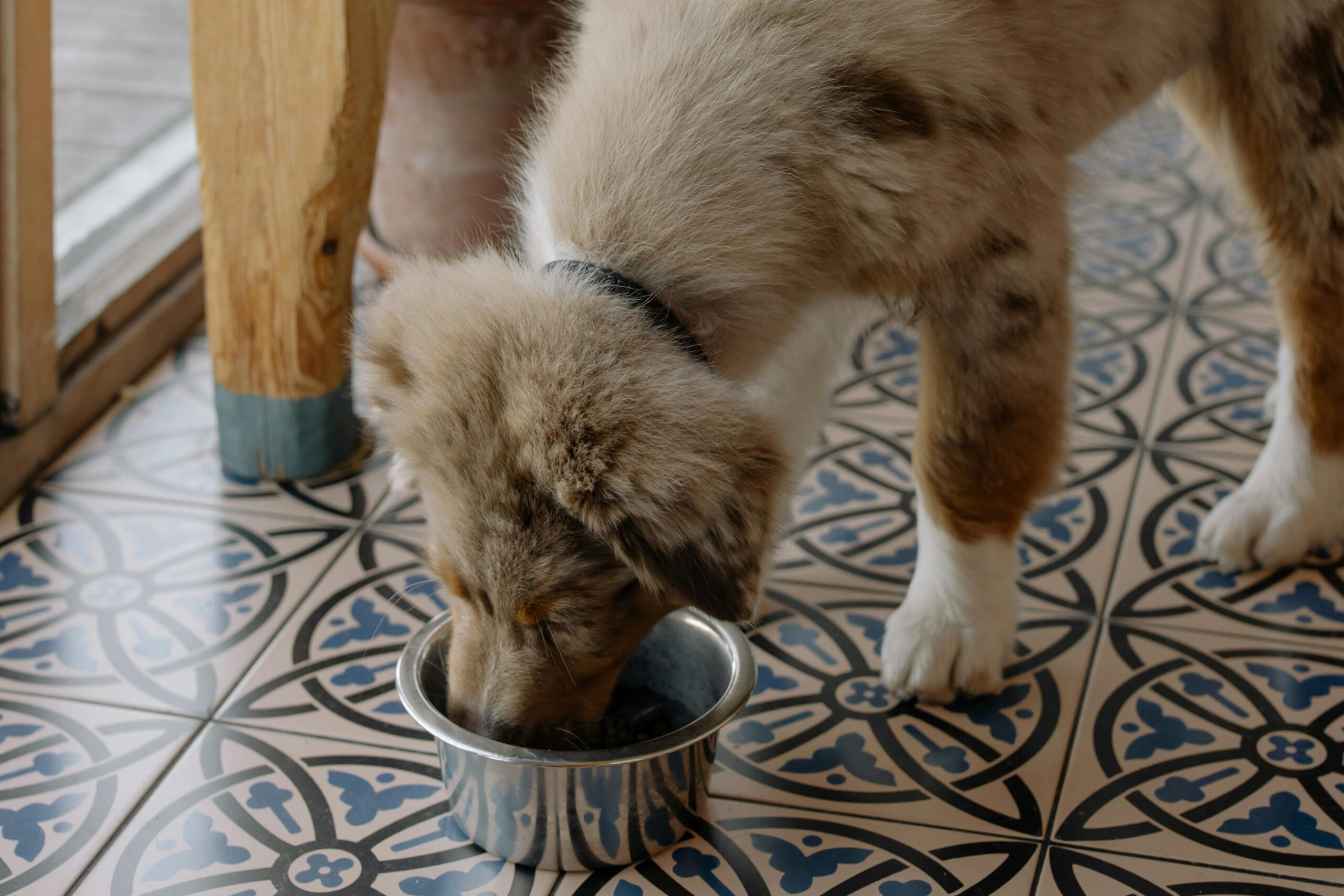
Adorable Australian Shepherd puppy enjoying meal from metal bowl on patterned tile floor.

Switching your dog to a new food can be necessary—maybe you’re upgrading their diet, addressing allergies, or switching to a different life-stage formula. However, making the switch too quickly can upset your dog’s stomach and cause issues like vomiting, diarrhea, or refusal to eat. Here’s how to transition your dog safely and smoothly. 🐾 Why Transitioning Slowly Matters Dogs have sensitive digestive systems, and a sudden change in diet can lead to gastrointestinal upset. Gradually introducing the new food gives your dog’s gut time to adjust to the new ingredients and nutrients. 📅 The 7-Day Transition Plan Follow this simple schedule to transition your dog to a new food: Day Old Food New Food 1-2 75% 25% 3-4 50% 50% 5-6 25% 75% 7+ 0% 100%   Tip: Always monitor your dog during this period. If they experience severe digestive upset, slow the transition down or consult your vet. ✅ Signs It’s Going Well Normal appetite Healthy stools (firm, brown) Regular energy levels No vomiting or excessive gas ⚠️ Signs You May Need to Pause or Adjust Loose stools or diarrhea Vomiting Lethargy or lack of appetite Excessive scratching or signs of allergy If you notice these, slow the transition process or return to the previous food temporarily. If symptoms persist, contact your veterinarian. 💧 Other Transition Tips Stick to a feeding schedule – Feed at the same time daily. Avoid treats or table scraps during the transition. Add probiotics – These can help support healthy digestion (ask your vet first). Keep fresh water available – New food might increase thirst slightly. 🛒 Recommended Dog Foods for Sensitive Transitions Here are a few top-rated, gentle dog foods available on Amazon: 1. Hill’s Science Diet Sensitive Stomach & Skin Easily digestible ingredients Great for dogs with food sensitivitiesBuy on Amazon 2. Purina Pro Plan Sensitive Skin & Stomach Salmon-based with no corn, wheat, or soyBuy on Amazon 3. Blue Buffalo Basics Limited Ingredient Diet Single protein source, good for allergiesBuy on Amazon 🐶 Final Thoughts Changing your dog’s food doesn’t have to be stressful—for you or your pup. With a gradual approach, attentive care, and the right product, you’ll ensure a smooth and healthy transition.

The Thunder Chair

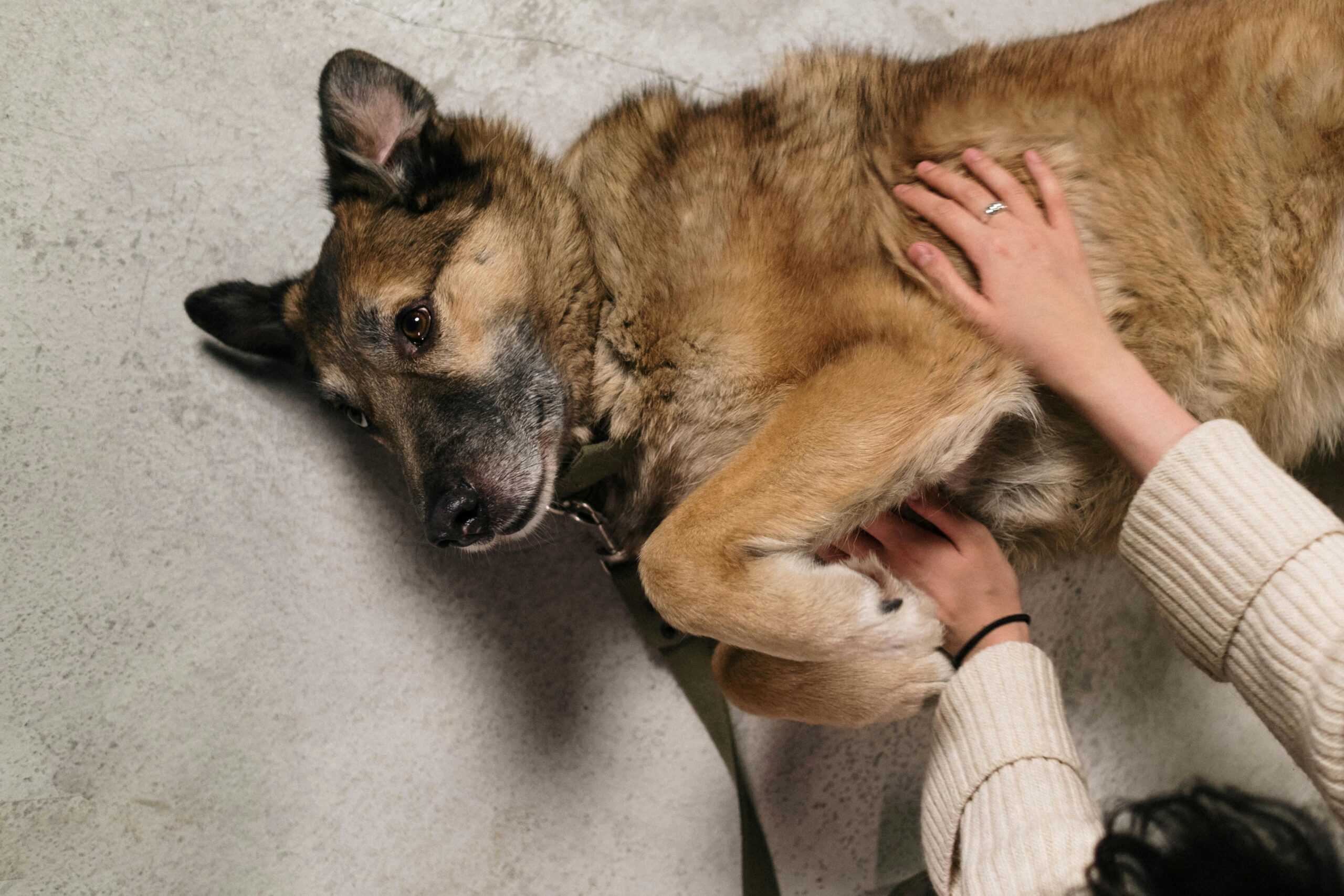
Close-up of a German Shepherd being gently petted by a person indoors, showcasing a tender human-animal bond.

Maple was afraid of storms. Not the light kind with soft rumbling in the distance. No, it was the loud, sky-ripping kind that turned her into a trembling, panting mess. Her whole 55-pound shepherd mix body would try to wedge itself under anything — beds, desks, once even inside an empty laundry basket. We tried everything. Calming chews, white noise, those “dog-soothing” playlists on YouTube. She’d tolerate them, but nothing really worked. Until the chair. It was a big old recliner I’d inherited from my grandfather. Ugly thing — too wide, covered in faded tan fabric, and missing one of the wooden arms. But it was sturdy. Comfortable. And Maple had never once tried to climb onto it. Until one stormy night, when the thunder cracked hard enough to shake the windows.She jumped onto the chair like it had been calling her name all along.Curled up into the corner, head tucked, paws tight. I sat beside her on the floor, wrapped her in her weighted dog blanket, and we just waited. From then on, it became “the thunder chair.” Whenever the sky growled, Maple would trot straight to it.I added a soft orthopedic cushion to the seat and laid the blanket across the back like some throne room accessory. It became her space. Her safe zone. I even moved the chair closer to the window so she could watch the rain when it calmed her. I started sitting in it during non-storm days, just to read, and she’d hop up beside me, gently resting her head on my shoulder like, “You’re scared too, huh?” She’s older now. Slower to climb, quicker to doze. But last week, a storm rolled in — the first of the season — and she made her way to the chair like it was tradition. I draped the blanket over her like always, sat beside her on the floor again, and whispered the same thing I always did: “You’re safe here. You’re home.”

🐶 ThunderShirt vs. Zesty Paws Calming Bites: Which Works Better for Dog Anxiety?

yorkshire terrier, dog, pet, yorkie, small dog, animal, domestic dog, purebred dog, nature, canine, mammal, cute, closeup, animal portrait

If your dog struggles with anxiety—whether it’s separation, travel, or loud noises—you’ve probably come across both the ThunderShirt and Zesty Paws Calming Bites. But which one is more effective for calming your anxious pup? In this review, we compare these two best-selling, vet-recommended solutions for non-medicated dog anxiety relief. 🧥 ThunderShirt Classic Dog Anxiety Jacket ✅ Pros: Applies gentle, constant pressure—like swaddling a baby Drug-free and reusable Works great for fireworks, car rides, and vet visits Easy to put on and machine washable ❌ Cons: May not fit all breeds perfectly (measure carefully) Some dogs need a few wears to get used to it 🔗 Shop ThunderShirt on Amazon 🍖 Zesty Paws Calming Bites ✅ Pros: Contains natural calming ingredients: L-Theanine, Chamomile, and Melatonin Dogs love the taste (like a treat!) Helps with general anxiety, hyperactivity, and sleep No prescription needed ❌ Cons: May take 30–60 minutes to take effect Results vary by dog size and metabolism 🔗 Buy Zesty Paws Calming Bites on Amazon ⚖️ Side-by-Side Comparison Feature ThunderShirt Zesty Paws Calming Bites Type Wearable pressure wrap Supplement chew Use Case Fireworks, travel, storms Daily anxiety, sleep, stress Ingredients None (just fabric) L-Theanine, Chamomile, Melatonin Ease of Use Easy to wear (no meds involved) Treat-style, easy to give Time to Effect Instant or after a few minutes 30–60 mins after ingestion Price Range $$ $–$$ (based on quantity) 🐾 Which One Should You Choose? Choose ThunderShirt if your dog is triggered by specific events like thunder, car rides, or visitors. It’s instant, reusable, and great for situational anxiety. Choose Zesty Paws Calming Bites if your dog suffers from daily anxiety, hyperactivity, or sleep issues. It’s a tasty supplement that works gradually over time. 💡 Pro Tip: Some dog parents use both together—the ThunderShirt for immediate anxiety and calming bites for ongoing support. 🛒 Where to Buy   ThunderShirt Anxiety Jacket on Amazon Zesty Paws Calming Bites on Amazon

The Day the Collar Came Off

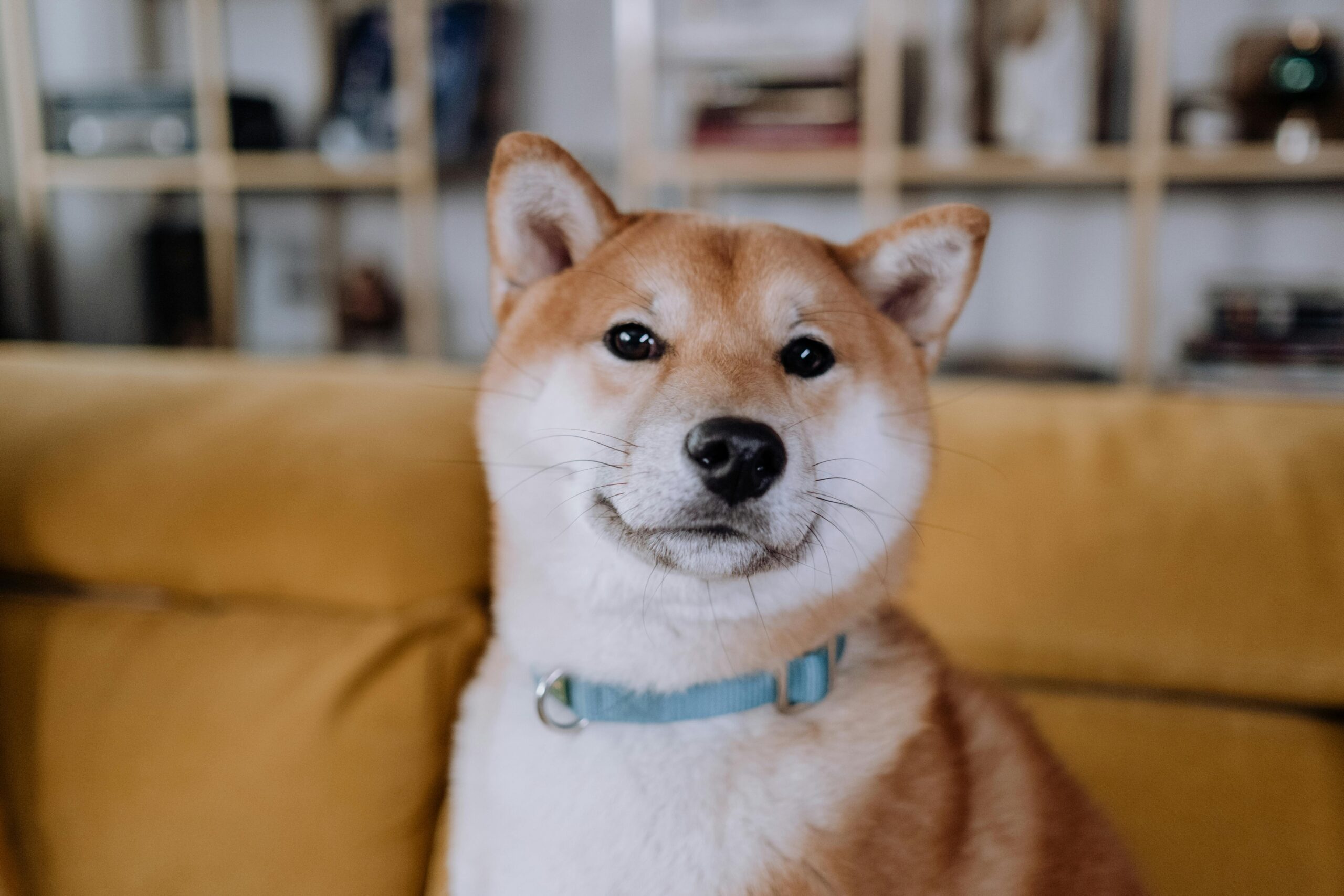
Cute Shiba Inu dog with a blue collar posing indoors, captured with selective focus.

Milo had worn a collar every day since the shelter.It was navy blue with a silver buckle — nothing fancy, just sturdy, reliable. Like him. He wasn’t the kind of dog who played fetch or chased squirrels. He was quiet. Loyal. Always there. His collar had his name, his tags, and a small scratch where he once got it caught in the fence trying to chase a butterfly he couldn’t catch. We never took it off. Not even at night. I guess it became part of who he was. The vet said the mass was benign. But it was growing. Right where the collar rubbed.She gave me a look. One I’d seen before — the “prepare yourself” look.And I wasn’t ready. Not at all. So I went home, sat with Milo on the floor, and for the first time in five years, I unbuckled that collar and took it off. He looked at me, confused at first. Then — strangely — relaxed.He shook his fur out like a wolf, laid down beside me, and rested his head on my lap.I ran my fingers through the spot where the collar used to be. It felt like a goodbye. But it wasn’t. We switched to a soft, padded harness the next day. One that wrapped around his chest instead of his neck. Easier on the lump. Easier on me, too. He strutted around like he was in a new suit. Head high. Tail up.He chased a leaf for the first time in ages. And I laughed so hard I scared a squirrel off the fence. It’s been four months. The lump’s still there. He’s slower now, naps more.But every morning, I clip that same harness on him and we walk. Just the two of us.We don’t go far, but we go. And the collar?It’s hanging by the front door.A reminder of who he was… and how far we’ve come.

🐶 Top 10 Products That Help Dogs With Anxiety (2025 Edition)

english bulldog, bulldog, ball, dog, pet, white dog, canine, nature, domestic, domestic dog, portrait, dog portrait, mammal, animal

If your dog struggles with anxiety—whether from loud noises, separation, or travel—you’re not alone. Millions of pet owners are now turning to non-medicated solutions to help their pups feel calm and safe. In this guide, we share the top 10 calming products for dogs in 2025. Each one is vet-recommended, well-reviewed, and available on Amazon for easy ordering. 🧠 Why Use Calming Products for Dog Anxiety? Help reduce stress naturally Avoid over-reliance on medication Make daily life, travel, and vet visits easier Recommended by vets and canine behaviorists 🏆 Top 10 Dog Anxiety Relief Products (2025) 1. ThunderShirt Classic Dog Anxiety Jacket Uses gentle, constant pressure to calm dogs—like a reassuring hug. Great for fireworks, storms, or travel. 🔗 View ThunderShirt on Amazon 2. Adaptil Calm Home Diffuser Kit Mimics calming dog pheromones. Plug it in at home to help dogs relax in their safe space. 🔗 Shop Adaptil Diffuser 3. Zesty Paws Calming Bites Tasty soft chews with ingredients like L-theanine and chamomile. Great for daily calming. 🔗 Check Zesty Paws Calming Bites 4. Lickimat Classic Soother Encourages natural licking behavior, which reduces cortisol levels. Spread peanut butter, yogurt, or treats. 🔗 Buy Lickimat for Dogs 5. Furhaven Calming Orthopedic Dog Bed High walls and plush fabric create a den-like safe space. Ideal for dogs that need a comfort zone. 🔗 Shop Furhaven Calming Beds 6. iCalmDog Portable Speaker (with Relaxation Music) Plays soothing, frequency-tuned music clinically tested to reduce anxiety. 🔗 See iCalmDog Music Player 7. Vet’s Best Comfort Calm Chews Formulated by vets with tryptophan and valerian root for natural stress relief. 🔗 View Vet’s Best Chews 8. PetSafe Treat & Train Remote Reward System Use positive reinforcement to desensitize anxious triggers. Helps with separation anxiety and reactivity. 🔗 Check PetSafe Trainer 9. Comfy Calming Dog Hoodie (Dog Snood) Soft, stretchable fabric gently muffles loud sounds and gives a snug fit around the head and ears. 🔗 Shop Calming Dog Hoodies 10. Natural Dog Company Calm Supplement Made with hemp seed, passion flower, and melatonin. Ideal for bedtime or before stressful events. 🔗 Explore Natural Dog Company Calm 🐕 Final Thoughts Anxiety in dogs is real—but with the right tools, you can make a big difference in your dog’s daily comfort. These calming products for dogs are a great start to non-medicated dog anxiety solutions. Always monitor your dog’s behavior and consult a vet for serious anxiety symptoms. 🛒 Try one or two of these top-rated Amazon products and watch your anxious pup start to relax!

The Mud and the Memory

dog, puppy, pet, bichon frise, animal, pup, young dog, nature, toy dog, doggy, domestic dog, canine, mammal, cute, adorable, furry, portrait, park, outdoors

I hadn’t been on that trail in two years. It was the kind of trail you forget how much you need until you’re on it — all pine needles and damp earth, the air just a little colder under the trees. I used to hike it every weekend… back when Cooper was still here. But this time, I wasn’t alone.Scout was with me. Scout’s nothing like Cooper. Where Cooper was calm and polite — almost regal — Scout is all legs and bad decisions. A rescue pup with a mind of his own and a tail that never stops wagging. He doesn’t walk; he bounces. And yet, something told me this trail was the right place for him. Ten minutes in, Scout was already nose-deep in everything. He chased falling leaves like they were prey. He pounced on sticks too big to carry. And then, as I paused to tie my boot, I heard the splash. He had found the puddle.The mother of all mud puddles. And he was in it. By the time I turned around, he looked like he’d lost a fight with a chocolate cake. Head to toe. His tongue was out, eyes sparkling, absolutely no remorse. I should’ve been mad.But I laughed — the first real, belly-deep laugh in months. He looked so proud. So alive. And something inside me cracked open a little. Not in a painful way — more like sunlight through a cloud. Like maybe this dog, this ridiculous, messy, joyful beast… was exactly what I needed. I hosed him off when we got home.He stood there on the patio, soaked and shivering like a muddy mop. I wrapped him in his hooded microfiber towel, the one with the little ears on the hood that make him look like a sheep. He leaned into me as I rubbed him dry, tail finally slowing.And for a second — just a second — it felt like Cooper was there too.Not gone. Just… passed the baton. Now, every weekend, Scout and I hit the trail.And every time he finds a new puddle, I don’t stop him. Because some dogs keep you steady.Others pull you back to joy.

🐶 Vet-Approved Tips to Calm an Anxious Dog Without Medication (2025)

dog, pet, collar, dog collar, domestic, nature, domestic dog, black and white dog, canine, portrait, dog portrait, mammal, animal, purebred

If your pup is pacing, whining, or chewing up your furniture every time you leave, chances are they’re struggling with dog anxiety. And you’re not alone—millions of pet parents search for natural remedies for dog anxiety every year. Luckily, there are vet-approved dog anxiety tips that don’t require medication. In this guide, we’ll share how to calm a dog without medication using effective, non-invasive methods—plus links to calming products for dogs on Amazon that work. 🧠 Understanding Dog Anxiety Dog anxiety can stem from: Separation from you Loud noises (like fireworks or thunderstorms) Changes in routine or environment Previous trauma or poor socialization Some dogs experience generalized anxiety, while others show fear during travel, vet visits, or when left alone. 🔍 Signs Your Dog Might Be Anxious Symptom Meaning Excessive barking or whining Separation anxiety Trembling or hiding Noise or social anxiety Indoor accidents Stress or fear response Chewing furniture or crate Pent-up nervous energy   If these symptoms show up regularly, it’s time to look into non-medicated dog anxiety solutions. ✅ Vet-Approved Ways to Calm a Dog Without Medication These are trusted, natural remedies for dog anxiety—all backed by veterinarians and canine behaviorists. 1. Use Calming Products for Dogs (Amazon Picks) From diffusers to anxiety wraps, there are many calming products for dogs on Amazon that help reduce stress naturally: Pheromone Diffusers (like Adaptil) – mimic mother dog scent🔗 Shop Dog-Calming Diffusers ThunderShirt for Dogs – provides gentle pressure like a hug🔗 Buy ThunderShirt on Amazon Calming Chews (L-theanine, chamomile) – promote relaxation🔗 View Natural Calming Chews These are great options if you’re looking for how to calm a dog without medication. 2. Lick Mats & Puzzle Feeders Dogs release stress hormones through licking. Try a lick mat with peanut butter or a treat puzzle toy to keep them engaged. 🔗 Shop Lick Mats for Dogs These also fall under the category of non-medicated dog anxiety solutions that double as mental enrichment. 3. Set a Routine One of the best vet-approved dog anxiety tips is to keep a consistent daily routine: 🕒 Morning walk → Breakfast → Calm time → Play → Evening walk → Bedtime Routine builds predictability, which eases anxiety in dogs. 4. Create a Safe Space Use a calming dog bed, crate, or quiet room with soft lighting and calming scents. This den-like environment helps your pup feel secure. 🔗 Check Calming Dog Beds 5. Regular Exercise A tired dog is a calm dog. Try 30–60 minutes of walking, fetch, or off-leash play each day. Physical activity is one of the top natural remedies for dog anxiety. 6. Desensitization & Training If your dog fears being alone or certain sounds, gradual desensitization with positive reinforcement can work wonders. Example:Leave the house for 2 minutes → Return calmly → Increase time slowly over days. 🐾 When to See a Vet These tips show how to calm a dog without medication, but if anxiety persists, speak with your vet. Some dogs may need medication temporarily or benefit from professional training. 💬 Final Thoughts Helping your anxious pup doesn’t always mean going straight to meds. These vet-approved dog anxiety tips are safe, effective, and easy to try at home. Whether it’s a ThunderShirt, a calming chew, or a new routine, small changes can make a big difference. And if you’re shopping for trusted tools, the calming products for dogs on Amazon linked above are highly rated and recommended by fellow dog parents in 2025.

The Day She Let Me Touch Her Paw

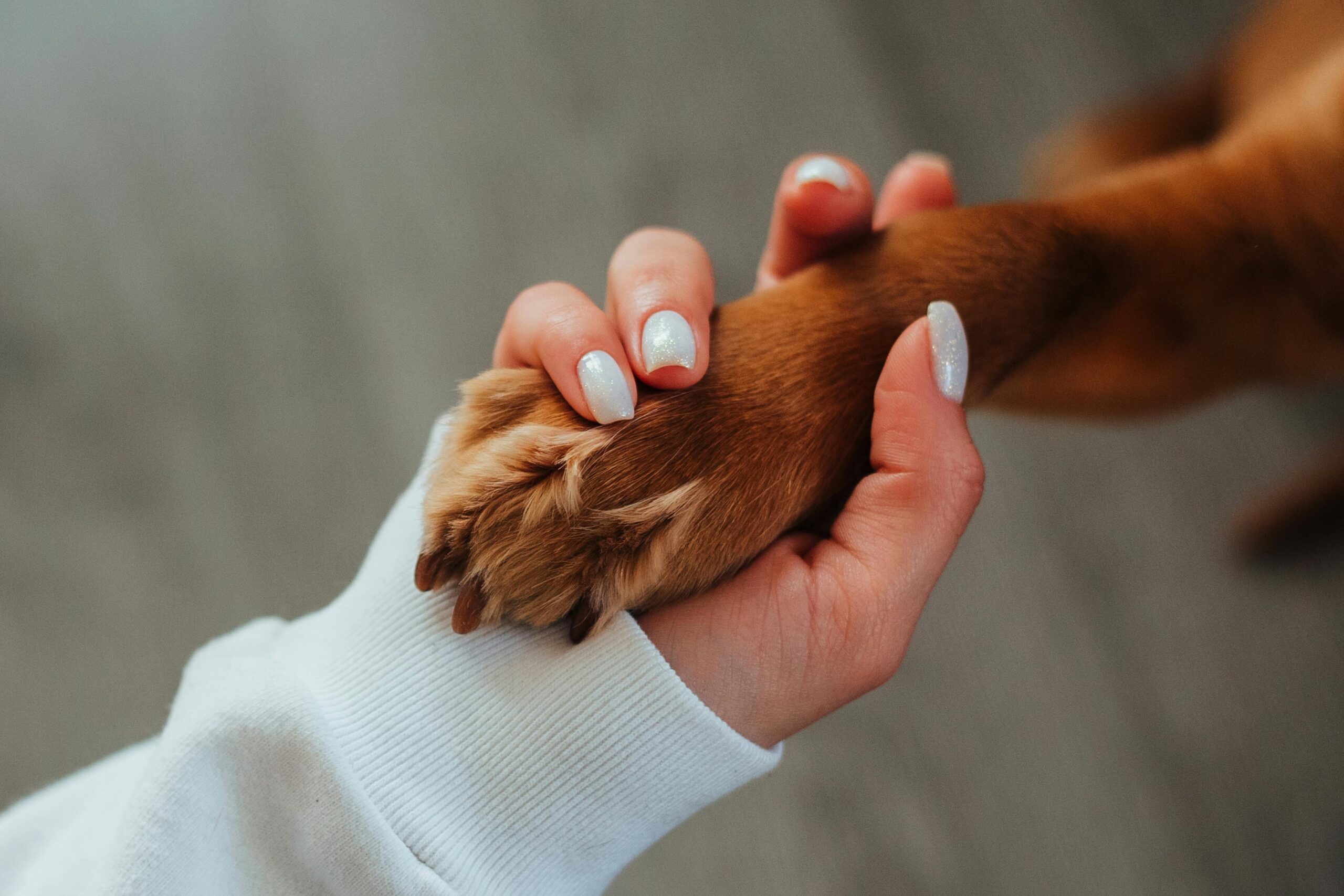
Close-up of a woman's hand holding a dog paw symbolizing trust and companionship.

The rescue center named her Fern.They said she was “shut down.” Not aggressive, not reactive. Just… distant. Like she’d left the world a long time ago and hadn’t found a reason to come back. She didn’t bark. Didn’t play. When I first saw her, she was curled up in the corner of her kennel, nose buried in her tail, flinching every time a child passed by too loud. I wasn’t planning to adopt that day. I was just “looking.” But something about Fern — the stillness in her eyes — pulled at me. I didn’t feel sorry for her. I felt… chosen. The volunteers warned me: Don’t expect too much. She might never come around. I brought her home anyway. The first week, she didn’t leave her crate. Not once.I kept it in the quietest corner of the house, filled with a soft quilted liner, her water bowl, and a plush rabbit I picked up on the way back — one with velvety ears and stitched eyes. She ignored them all. I didn’t try to pet her. I just sat nearby every evening, reading or sipping tea, sometimes talking to her about nothing. On day 11, she sniffed the rabbit. On day 16, she took a treat from my hand. But it wasn’t until day 27 that it happened. We were in the backyard, a soft spring breeze rolling through. She had started to walk a little more confidently, nose down, ears flicking at bird calls. I laid down on the blanket with my book, trying not to watch her. Then I felt it. Something warm and hesitant touched my thigh. I looked down. Fern was sitting beside me, her eyes cautious, her body tense… and her paw gently resting against my leg. I froze. I didn’t speak. I just let my hand fall, ever so lightly, over hers. She didn’t flinch. And that’s how I knew: I was hers now. She still doesn’t like sudden sounds. Or strangers. But she has her rabbit — the only toy she hasn’t shredded — and her crate, now lined with her favorite fleece mat. And me. Every evening, after dinner, she walks over, sits beside me, and places that same paw on my lap like a quiet little signature. We don’t need to say anything.We already know.

🐾 How to Know If Your Dog Has Anxiety (And What to Do About It) – 2025 Guide

dog, domestic animal, nature, pet, mammal, snout, outdoors, wildlife, animal, attentive, mixed breed dog

Is your dog acting nervous, clingy, or even destructive when you leave the house? These could be signs of canine anxiety, a condition that affects millions of pets each year. The good news? Once you recognize the signs, there are plenty of ways to help. In this 2025 guide, we’ll break down how to tell if your dog has anxiety, the different types, and what you can do to soothe their stress—including some top-rated calming products on Amazon 🧠 What Is Dog Anxiety? Dog anxiety is a behavioral condition caused by stress, fear, or a lack of confidence. It can be triggered by: Loud noises (fireworks, storms) Separation from owners New environments or changes in routine Past trauma or poor socialization 🔍 Common Signs of Dog Anxiety Here are clear signs your dog might be anxious: Behavior Possible Meaning 🐶 Pacing or restlessness Nervous energy or stress 🐾 Excessive licking or chewing Self-soothing behavior 🏠 Destructive chewing Anxiety when left alone 🚽 Accidents indoors Stress response 😟 Trembling or hiding Fear or panic 🐕 Barking or whining Seeking attention or comfort 🚗 Reluctance to go in car Fear of travel or unfamiliarity   If your dog is showing two or more of these signs regularly, anxiety may be the cause. 🧪 Types of Dog Anxiety 1. Separation Anxiety Most common—your dog panics when you leave.   2. Noise Anxiety Triggered by thunderstorms, fireworks, or loud machinery.   3. Social Anxiety Fear of strangers, other dogs, or unfamiliar places.   4. Generalized Anxiety No specific trigger—your dog is anxious often, even in familiar environments. 🛠️ What to Do About It Here are vet-recommended solutions and calming tools:   1. Calming Chews & Treats Natural supplements with melatonin, L-theanine, or CBD can help. Shop Calming Treats on Amazon ✅ 2. Anxiety Vests (Like ThunderShirt) Applies gentle pressure, like a hug—great for storms and fireworks. 🔗 View ThunderShirt Anxiety Wrap ✅ 3. Dog Calming Beds Donut-shaped beds with raised edges promote a sense of safety. 🔗 Check Out Calming Dog Beds ✅ 4. Pheromone Diffusers or Sprays Mimic natural dog-calming pheromones to reduce stress in the home. 🔗 Try Adaptil Calming Diffuser ✅ 5. Interactive Toys or Treat Dispensers Keep their mind busy when you’re away. 🔗 Browse Treat Toys on Amazon ✅ 6. Routine & Positive Reinforcement Dogs thrive on consistency. Stick to a daily schedule for walks, feeding, and playtime. 🐕 When to Talk to a Vet If your dog’s anxiety is severe—causing injury or daily disruption—consult a vet or animal behaviorist. In some cases, prescription medication or professional training may be needed. 💡 Final Thoughts Dog anxiety is real—and treatable. With awareness, patience, and the right tools, you can help your dog feel more secure, relaxed, and happy. Whether it’s a calming chew, a cozy bed, or simply more structured time together, every little bit helps ease your pup’s stress. 🐶❤️

The Porch Light Pact

It started on a Wednesday, right after my dad passed.I came home from the hospital, collapsed on the porch step, and cried until the light burned out above me. Bailey came and rested her head on my knee. She didn’t lick me or wag her tail. She just sat there. Like she understood that some silences need to stay quiet. She had this habit — every night around 9, she’d go sit by the porch light. Just… sit. Sometimes for ten minutes, sometimes longer. Staring into the dark like she was waiting for someone. It started after he died. I don’t know if it was grief or instinct or just Bailey being Bailey. One night, I joined her. She was already curled up on the porch, her head resting on the doormat. I sat beside her with a mug of tea. The air was cool. Still. We didn’t look at each other. Then she did this thing she never does — she got up, left, and came back dragging her favorite fleece blanket in her mouth. The one we kept in her crate but never used anymore. She dropped it at my feet, gave one soft bark, then laid back down beside me. From that night on, we had a pact: 9 PM. Porch. No matter what. The seasons changed.Grief dulled into memories. And Bailey? She kept her post. One night, it rained. I opened the door, thinking she’d skip it. She looked at me like, Really? You’re bailing now? So I grabbed a hoodie and followed her out. She laid down. I sat beside her, the blanket draped over both of us, and we listened to the rain ping off the railing. I swear I could feel my dad’s presence then. Not heavy like before. Just… warm. Bailey’s 11 now. She’s got some stiffness in her back legs, so we added a padded joint-support mat under the porch bench for her. I think she likes that more than the porch itself. She still shows up. Still brings the blanket.And now, so do I.