Signs of Heatstroke in Dogs & What to Do Immediately

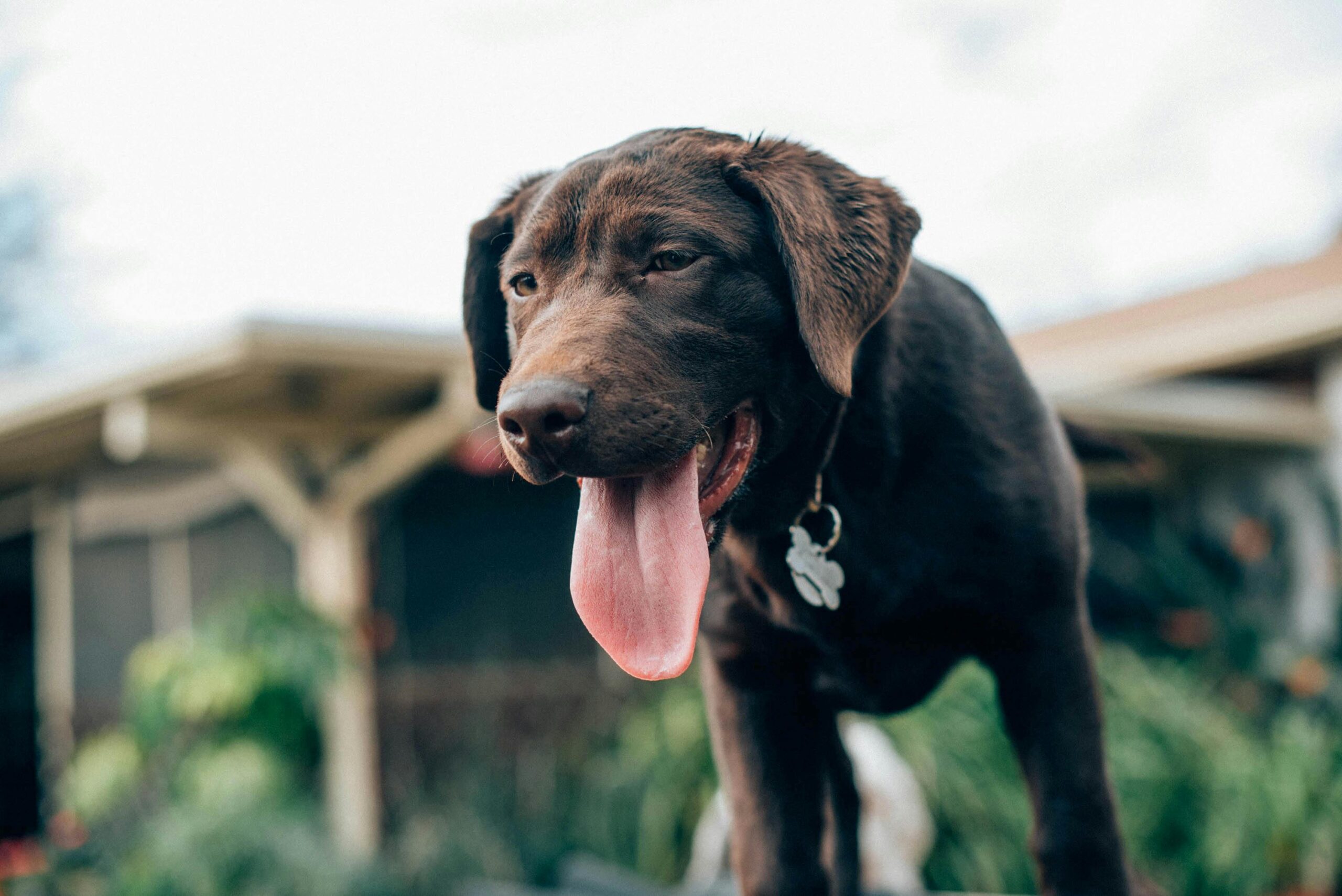
A chocolate Labrador Retriever sticks its tongue out while standing outdoors on a sunny day.

🐶 Why Heatstroke in Dogs Is a Serious Emergency Dogs don’t sweat like humans — they cool down primarily by panting. When the temperature rises and they can’t release heat fast enough, they risk overheating. Heatstroke in dogs can escalate quickly and fatally without prompt action. Whether it’s a hot walk, a long car ride, or just a sunny backyard, knowing the signs and what to do can literally save your dog’s life. 🚨 Common Signs of Heatstroke in Dogs Watch for these symptoms, especially in summer or during physical activity: 1. Excessive Panting Heavy, rapid panting is the first warning sign that your dog is too hot. 2. Drooling Thick, sticky saliva or excessive drooling is often a red flag. 3. Red or Pale Gums Check their gums — bright red, pale, or even bluish gums can signal heat distress. 4. Lethargy or Weakness If your dog seems weak, wobbly, or unusually tired, they may be overheating. 5. Vomiting or Diarrhea Often accompanied by drooling and restlessness. 6. Disorientation or Collapse In severe cases, dogs may collapse, appear dazed, or have seizures. 🧊 What to Do Immediately If you suspect your dog is suffering from heatstroke, act fast: ✅ Step 1: Move to a Cool, Shady Area Get them out of the sun and away from the heat. ✅ Step 2: Offer Cool (Not Cold) Water Let them drink small amounts — avoid forcing it if they’re not interested. ✅ Step 3: Cool Their Body Wet them down with cool water (NOT ice water) — especially the belly, paws, and armpits. Use fans to speed up cooling. Wrap them in damp towels. ✅ Step 4: Go to the Vet Immediately Even if your dog seems to recover, internal damage from heatstroke can be deadly. Always have them checked by a vet. 🐾 Dogs Most at Risk Certain dogs are more prone to heatstroke: Flat-faced breeds (Pugs, Bulldogs) Seniors and puppies Overweight dogs Dogs with thick coats or respiratory issues 🧰 Helpful Products to Prevent Heatstroke You can mention or link to these types of Amazon affiliate products (if you use affiliate links): Cooling vests or bandanas Portable water bottles Cooling mats Car seat fans or crate fans Shade tents for outdoor dogs 🧠 Final Reminder Heatstroke isn’t just a “summer thing.” It can happen indoors, in parked cars, or during overexertion. Always monitor your dog, and when in doubt — cool them down and call the vet.

7 Essential Summer Dog Care Tips Every Pet Parent Should Know

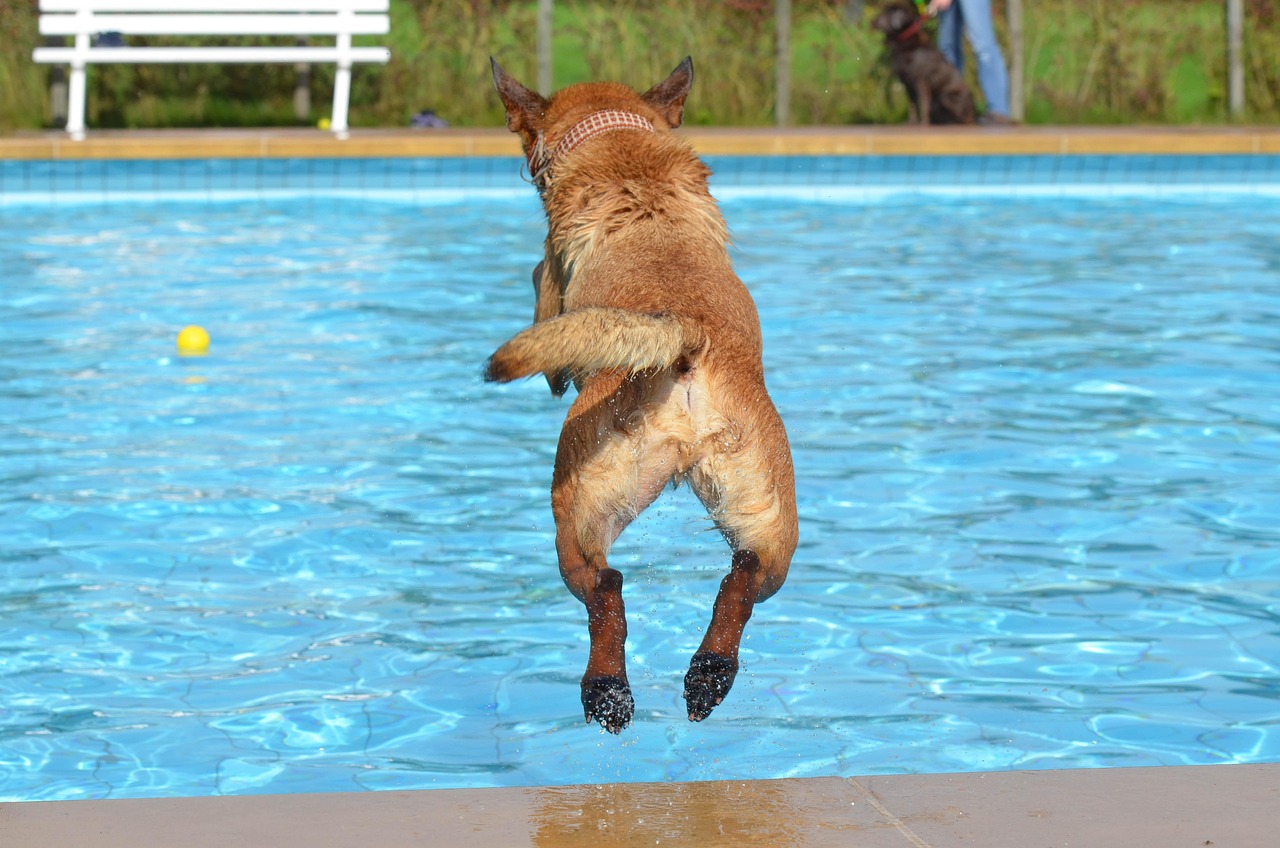
dog, outdoor pool, dog in the water, dog in the pool, nature, animal, pet, summer, malinois, belgian shepherd dog, jump into the water, swim, rude, water, leap, toy, motion recording

Summer brings sunshine, beach days, and outdoor adventures — but for our furry friends, it can also bring risks like dehydration, heatstroke, and paw burns. Whether you’re spending summer in your backyard or traveling with your pup, these 7 essential tips will help keep your dog safe, cool, and happy all season long. 1. Hydration Is Everything Just like us, dogs need more water in the summer. Always carry fresh water when heading outdoors and place multiple water bowls around the house. 💡 Pro Tip: Use a non-spill travel water bottle designed for dogs during walks or hikes 2. Walk During Cooler Hours Avoid walking your dog during the hottest part of the day (usually 11 AM–4 PM). Early morning or after sunset is safest. If you must go out, walk on grass or shaded paths — hot pavement can burn paws. 🔥 Try the “7-second rule”: place your hand on the pavement. If it’s too hot for your hand, it’s too hot for your dog. 3. Never Leave Your Dog in a Hot Car Even a few minutes in a parked car can be fatal. Temperatures inside rise rapidly, even with windows cracked. Always take your dog with you or leave them at home with proper ventilation and water. 4. Watch for Signs of Overheating Common symptoms of heatstroke in dogs include: Excessive panting Drooling Vomiting Weakness Collapse 🚨 If you notice any of these signs, move your dog to a cool area immediately, offer water, and contact your vet. 5. Protect Against Fleas, Ticks & Mosquitoes Warm weather = bug season. Use a vet-approved flea & tick prevention method — whether it’s a collar, chew, or topical treatment. ✅ Consider pairing it with a mosquito-repelling dog vest or natural spray during evening walks. 6. Provide Shade and Cooling Gear If your dog loves to sunbathe, make sure there’s a shaded area they can retreat to. Indoors, turn on fans or AC. Outdoors, try: Cooling mats or pads Portable dog pools Cooling vests or bandanas These products are not only fun but help prevent overheating during play. 7. Watch Out for Seasonal Allergies Grass, pollen, and insects can cause itching, sneezing, or even hot spots. If your dog shows signs of allergies, talk to your vet about antihistamines or special shampoos. 🛁 Bathing your dog more frequently with an oatmeal or anti-itch shampoo can also help. 🌞 Final Thoughts Summer should be a time of fun — not danger — for your pup. With just a little extra planning and the right products, you can make sure your dog enjoys the season just as much as you do.

Bravecto for Dogs: Is It Worth It? Benefits, Risks & Alternatives

pexels-photo-32490579-32490579.jpg

As a responsible pet parent, protecting your dog from fleas and ticks is non-negotiable. These tiny parasites don’t just cause discomfort — they also spread dangerous diseases like Lyme disease and ehrlichiosis. That’s where long-lasting treatments like Bravecto come in. But is it really worth it? In this blog, we’ll dive deep into what Bravecto is, how it works, potential risks, and how it stacks up against other popular flea and tick preventatives. 🐶 What Is Bravecto? Bravecto is a prescription flea and tick treatment for dogs available in both chewable tablet and topical liquid form. It’s manufactured by Merck Animal Health and stands out from many competitors by offering protection that lasts up to 12 weeks with just one dose. It works by circulating through your dog’s bloodstream. When fleas or ticks bite, they ingest the active ingredient fluralaner, which quickly kills them. It starts working within 2–4 hours for fleas and within 12 hours for ticks. ✅ Key Benefits of Bravecto Long-lasting protection: One dose lasts up to 12 weeks (3 months) Fast-acting: Kills fleas within 2 hours and ticks within 12 hours Convenient dosing: Fewer treatments per year compared to monthly products Available as chew or topical: Good for picky eaters or sensitive dogs Vet-recommended: Trusted by many veterinarians worldwide ⚠️ Potential Side Effects and Precautions While Bravecto is FDA-approved and generally considered safe, some dogs may experience side effects. These can include: Vomiting Diarrhea Loss of appetite Lethargy In rare cases, seizures Bravecto is not recommended for puppies under 6 months old or dogs weighing under 4.4 lbs. Always consult your vet before giving your dog any flea/tick prevention, especially if your pup has a history of seizures or other medical conditions. 🆚 Bravecto vs Other Flea & Tick Treatments Here’s how Bravecto compares to other popular flea and tick products: Product Type Prescription Needed Protection Duration Targets Parasites Bravecto Chewable / Topical ✅ Yes 12 weeks Fleas, multiple tick types Simparica Chewable ✅ Yes 4–5 weeks Fleas, ticks NexGard Chewable ✅ Yes 1 month Fleas, ticks Frontline Plus Topical ❌ No 1 month Fleas, ticks K9 Advantix II Topical ❌ No 1 month Fleas, ticks, mosquitoes   As you can see, Bravecto stands out for its long protection window, which means fewer treatments per year. However, if you’re looking for non-prescription alternatives, Frontline Plus and K9 Advantix II are both solid options that are widely available and easy to apply. 🌿 Natural & Non-Prescription Alternatives on Amazon Not every pet parent wants to deal with vet prescriptions or strong medications. If you’re looking for over-the-counter or more natural solutions, here are a few options available on Amazon: K9 Advantix II: Monthly topical solution that also repels mosquitoes. Frontline Plus: Trusted for decades, kills adult fleas, larvae, and ticks. Vet’s Best Flea & Tick Spray: Plant-based formula safe for dogs and indoor use. Seresto Collar: Long-lasting flea and tick collar that works for up to 8 months. These alternatives may not offer 12-week protection, but they’re more accessible and often gentler for dogs with sensitivities. 🐕 Who Is Bravecto Best For? Bravecto is ideal for: Active or outdoor dogs exposed to ticks frequently Busy pet parents who prefer fewer treatments per year Dogs with flea allergies who need fast, reliable relief Multi-dog households, where topical treatments may get licked off If you travel or hike with your dog often, Bravecto’s 12-week convenience is hard to beat. 🤔 Is Bravecto Worth It? Pros: Only 4 treatments per year Kills faster than many monthly options Trusted by vets and backed by research Cons: Prescription required Higher upfront cost Potential (though rare) side effects If you value convenience and maximum protection, Bravecto is likely worth it — especially for medium to large dogs exposed to outdoor parasites. But if you prefer more affordable, no-prescription options, Frontline Plus or K9 Advantix II may be better suited for your needs. 📌 Final Thoughts Fleas and ticks aren’t just annoying — they’re dangerous. Choosing the right protection for your dog means evaluating your lifestyle, your dog’s health, and your comfort level with medication. Bravecto is powerful, effective, and backed by science. But it’s not the only option. 👉 Still unsure? Talk to your vet and weigh the pros and cons. And if you’re looking for effective, Amazon-available alternatives, there are plenty of vet-approved products to keep your furry friend parasite-free.

Can Dogs Eat Human Food? What’s Safe and What’s Not

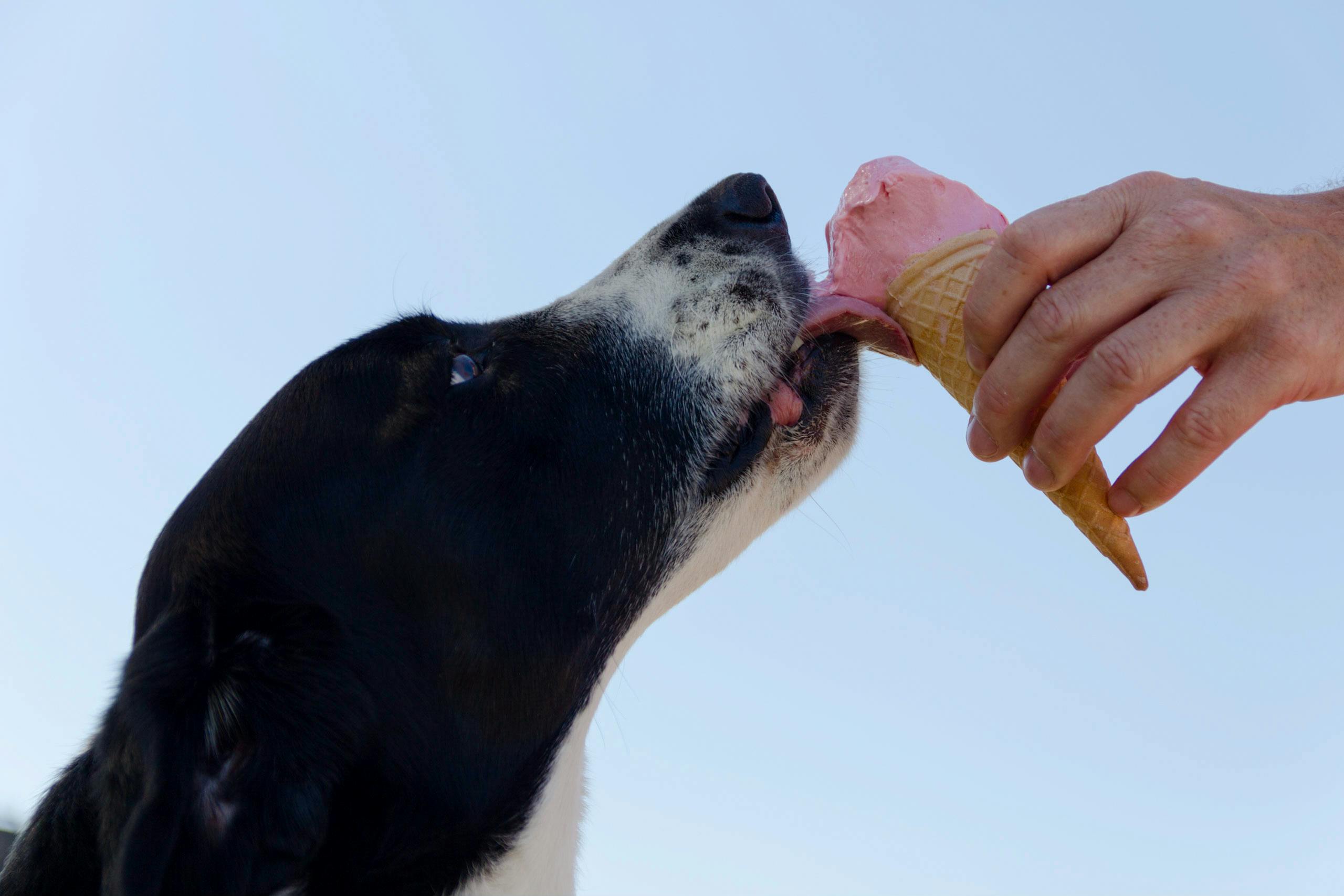
Adorable dog licking an ice cream cone held by a hand outdoors. Perfect summer treat moment.

It’s tempting to share a bite of your meal with your furry friend—especially when they give you those puppy eyes. But not all human foods are safe for dogs. Some can be healthy treats, while others are toxic and even life-threatening. In this post, we’ll break down what human foods your dog can eat, and which ones you should never feed them. ✅ Human Foods That Are Safe for Dogs These foods are generally safe in moderation and can even offer health benefits:   🥕 Vegetables Carrots – Great low-calorie treat, good for teeth. Green beans – High in fiber and low in calories. Cucumbers – Hydrating and crunchy. Sweet potatoes (cooked) – Rich in fiber and vitamins. 🍎 Fruits Apples (no seeds) – Good source of vitamins A and C. Bananas – Great for energy but high in sugar, feed in moderation. Blueberries – Full of antioxidants. Watermelon (seedless) – Hydrating and safe in small amounts. 🍗 Proteins Cooked chicken/turkey (no bones or seasoning) Boiled eggs – High in protein and easy to digest. Plain cooked salmon – Rich in omega-3 fatty acids. 🧠 Pro Tip: Always serve these foods plain, with no added salt, spices, onions, or garlic. ❌ Human Foods Dogs Should NEVER Eat These foods can be toxic, cause illness, or even death:   ☠️ Highly Toxic Chocolate – Contains theobromine, toxic to dogs. Grapes and raisins – Can cause kidney failure. Onions and garlic – Can damage red blood cells. Xylitol (in sugar-free gum, candy, baked goods) – Can cause a dangerous drop in blood sugar and liver failure. ⚠️ Dangerous or Risky Cooked bones – Can splinter and cause choking or internal damage. Avocados – Contains persin, toxic in large amounts. Macadamia nuts – Highly toxic to dogs. Alcohol or caffeine – Extremely harmful to dogs’ organs and nervous system. 🧺 Occasional Treats (Use Caution) These are not toxic, but should only be given in moderation: Cheese – Many dogs are lactose intolerant. Peanut butter (xylitol-free) – High in fat and calories, but dogs love it! Rice and pasta (plain) – Good for bland diets, but not nutrient-rich. 🐶 Final Tips Before Sharing Your Food Always introduce new foods slowly. Watch for signs of allergies or stomach upset (vomiting, itching, diarrhea). When in doubt, ask your vet first. 🛍️ Helpful Products for a Balanced Diet If you’re looking for healthy treats or supplements to support your dog’s nutrition: 🦴 Dog multivitamins with real food ingredients – Amazon 🍪 Natural training treats made from real meat – Amazon 🍽️ Dog food toppers with freeze-dried fruits & veggies – Amazon 📌 Summary Chart Safe Foods Dangerous Foods Carrots, Apples Chocolate, Grapes Chicken, Eggs Onions, Garlic Blueberries Xylitol, Alcohol 📣 Share this with fellow dog parents! Knowing what’s safe (and what’s not) could save your dog’s life. Stick to dog-safe treats and you’ll both stay happy and healthy.

How to Transition Your Dog to a New Food Without Upsetting Their Stomach

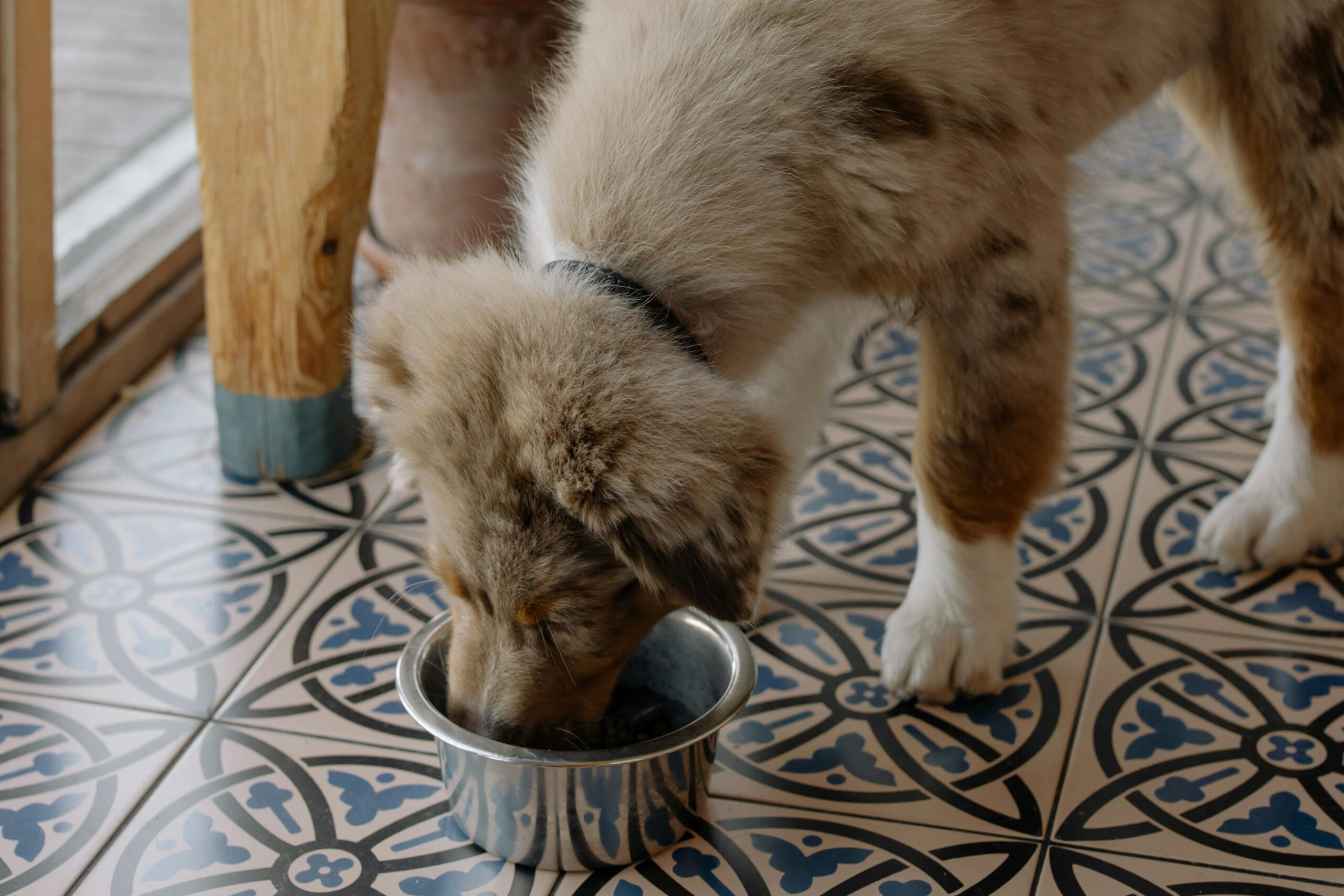
Adorable Australian Shepherd puppy enjoying meal from metal bowl on patterned tile floor.

Switching your dog to a new food can be necessary—maybe you’re upgrading their diet, addressing allergies, or switching to a different life-stage formula. However, making the switch too quickly can upset your dog’s stomach and cause issues like vomiting, diarrhea, or refusal to eat. Here’s how to transition your dog safely and smoothly. 🐾 Why Transitioning Slowly Matters Dogs have sensitive digestive systems, and a sudden change in diet can lead to gastrointestinal upset. Gradually introducing the new food gives your dog’s gut time to adjust to the new ingredients and nutrients. 📅 The 7-Day Transition Plan Follow this simple schedule to transition your dog to a new food: Day Old Food New Food 1-2 75% 25% 3-4 50% 50% 5-6 25% 75% 7+ 0% 100%   Tip: Always monitor your dog during this period. If they experience severe digestive upset, slow the transition down or consult your vet. ✅ Signs It’s Going Well Normal appetite Healthy stools (firm, brown) Regular energy levels No vomiting or excessive gas ⚠️ Signs You May Need to Pause or Adjust Loose stools or diarrhea Vomiting Lethargy or lack of appetite Excessive scratching or signs of allergy If you notice these, slow the transition process or return to the previous food temporarily. If symptoms persist, contact your veterinarian. 💧 Other Transition Tips Stick to a feeding schedule – Feed at the same time daily. Avoid treats or table scraps during the transition. Add probiotics – These can help support healthy digestion (ask your vet first). Keep fresh water available – New food might increase thirst slightly. 🛒 Recommended Dog Foods for Sensitive Transitions Here are a few top-rated, gentle dog foods available on Amazon: 1. Hill’s Science Diet Sensitive Stomach & Skin Easily digestible ingredients Great for dogs with food sensitivitiesBuy on Amazon 2. Purina Pro Plan Sensitive Skin & Stomach Salmon-based with no corn, wheat, or soyBuy on Amazon 3. Blue Buffalo Basics Limited Ingredient Diet Single protein source, good for allergiesBuy on Amazon 🐶 Final Thoughts Changing your dog’s food doesn’t have to be stressful—for you or your pup. With a gradual approach, attentive care, and the right product, you’ll ensure a smooth and healthy transition.

🐶 ThunderShirt vs. Zesty Paws Calming Bites: Which Works Better for Dog Anxiety?

yorkshire terrier, dog, pet, yorkie, small dog, animal, domestic dog, purebred dog, nature, canine, mammal, cute, closeup, animal portrait

If your dog struggles with anxiety—whether it’s separation, travel, or loud noises—you’ve probably come across both the ThunderShirt and Zesty Paws Calming Bites. But which one is more effective for calming your anxious pup? In this review, we compare these two best-selling, vet-recommended solutions for non-medicated dog anxiety relief. 🧥 ThunderShirt Classic Dog Anxiety Jacket ✅ Pros: Applies gentle, constant pressure—like swaddling a baby Drug-free and reusable Works great for fireworks, car rides, and vet visits Easy to put on and machine washable ❌ Cons: May not fit all breeds perfectly (measure carefully) Some dogs need a few wears to get used to it 🔗 Shop ThunderShirt on Amazon 🍖 Zesty Paws Calming Bites ✅ Pros: Contains natural calming ingredients: L-Theanine, Chamomile, and Melatonin Dogs love the taste (like a treat!) Helps with general anxiety, hyperactivity, and sleep No prescription needed ❌ Cons: May take 30–60 minutes to take effect Results vary by dog size and metabolism 🔗 Buy Zesty Paws Calming Bites on Amazon ⚖️ Side-by-Side Comparison Feature ThunderShirt Zesty Paws Calming Bites Type Wearable pressure wrap Supplement chew Use Case Fireworks, travel, storms Daily anxiety, sleep, stress Ingredients None (just fabric) L-Theanine, Chamomile, Melatonin Ease of Use Easy to wear (no meds involved) Treat-style, easy to give Time to Effect Instant or after a few minutes 30–60 mins after ingestion Price Range $$ $–$$ (based on quantity) 🐾 Which One Should You Choose? Choose ThunderShirt if your dog is triggered by specific events like thunder, car rides, or visitors. It’s instant, reusable, and great for situational anxiety. Choose Zesty Paws Calming Bites if your dog suffers from daily anxiety, hyperactivity, or sleep issues. It’s a tasty supplement that works gradually over time. 💡 Pro Tip: Some dog parents use both together—the ThunderShirt for immediate anxiety and calming bites for ongoing support. 🛒 Where to Buy   ThunderShirt Anxiety Jacket on Amazon Zesty Paws Calming Bites on Amazon

🐶 Top 10 Products That Help Dogs With Anxiety (2025 Edition)

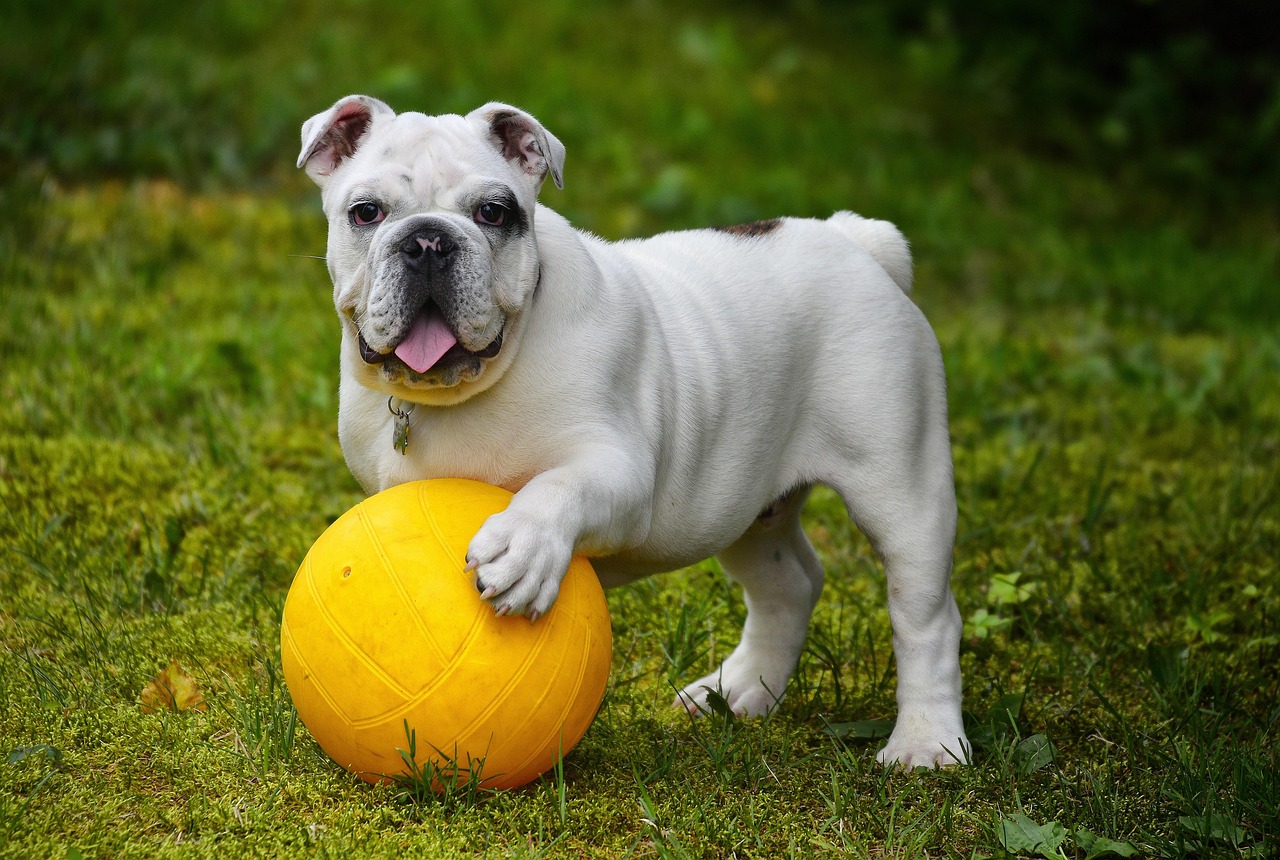
english bulldog, bulldog, ball, dog, pet, white dog, canine, nature, domestic, domestic dog, portrait, dog portrait, mammal, animal

If your dog struggles with anxiety—whether from loud noises, separation, or travel—you’re not alone. Millions of pet owners are now turning to non-medicated solutions to help their pups feel calm and safe. In this guide, we share the top 10 calming products for dogs in 2025. Each one is vet-recommended, well-reviewed, and available on Amazon for easy ordering. 🧠 Why Use Calming Products for Dog Anxiety? Help reduce stress naturally Avoid over-reliance on medication Make daily life, travel, and vet visits easier Recommended by vets and canine behaviorists 🏆 Top 10 Dog Anxiety Relief Products (2025) 1. ThunderShirt Classic Dog Anxiety Jacket Uses gentle, constant pressure to calm dogs—like a reassuring hug. Great for fireworks, storms, or travel. 🔗 View ThunderShirt on Amazon 2. Adaptil Calm Home Diffuser Kit Mimics calming dog pheromones. Plug it in at home to help dogs relax in their safe space. 🔗 Shop Adaptil Diffuser 3. Zesty Paws Calming Bites Tasty soft chews with ingredients like L-theanine and chamomile. Great for daily calming. 🔗 Check Zesty Paws Calming Bites 4. Lickimat Classic Soother Encourages natural licking behavior, which reduces cortisol levels. Spread peanut butter, yogurt, or treats. 🔗 Buy Lickimat for Dogs 5. Furhaven Calming Orthopedic Dog Bed High walls and plush fabric create a den-like safe space. Ideal for dogs that need a comfort zone. 🔗 Shop Furhaven Calming Beds 6. iCalmDog Portable Speaker (with Relaxation Music) Plays soothing, frequency-tuned music clinically tested to reduce anxiety. 🔗 See iCalmDog Music Player 7. Vet’s Best Comfort Calm Chews Formulated by vets with tryptophan and valerian root for natural stress relief. 🔗 View Vet’s Best Chews 8. PetSafe Treat & Train Remote Reward System Use positive reinforcement to desensitize anxious triggers. Helps with separation anxiety and reactivity. 🔗 Check PetSafe Trainer 9. Comfy Calming Dog Hoodie (Dog Snood) Soft, stretchable fabric gently muffles loud sounds and gives a snug fit around the head and ears. 🔗 Shop Calming Dog Hoodies 10. Natural Dog Company Calm Supplement Made with hemp seed, passion flower, and melatonin. Ideal for bedtime or before stressful events. 🔗 Explore Natural Dog Company Calm 🐕 Final Thoughts Anxiety in dogs is real—but with the right tools, you can make a big difference in your dog’s daily comfort. These calming products for dogs are a great start to non-medicated dog anxiety solutions. Always monitor your dog’s behavior and consult a vet for serious anxiety symptoms. 🛒 Try one or two of these top-rated Amazon products and watch your anxious pup start to relax!

🐶 Vet-Approved Tips to Calm an Anxious Dog Without Medication (2025)

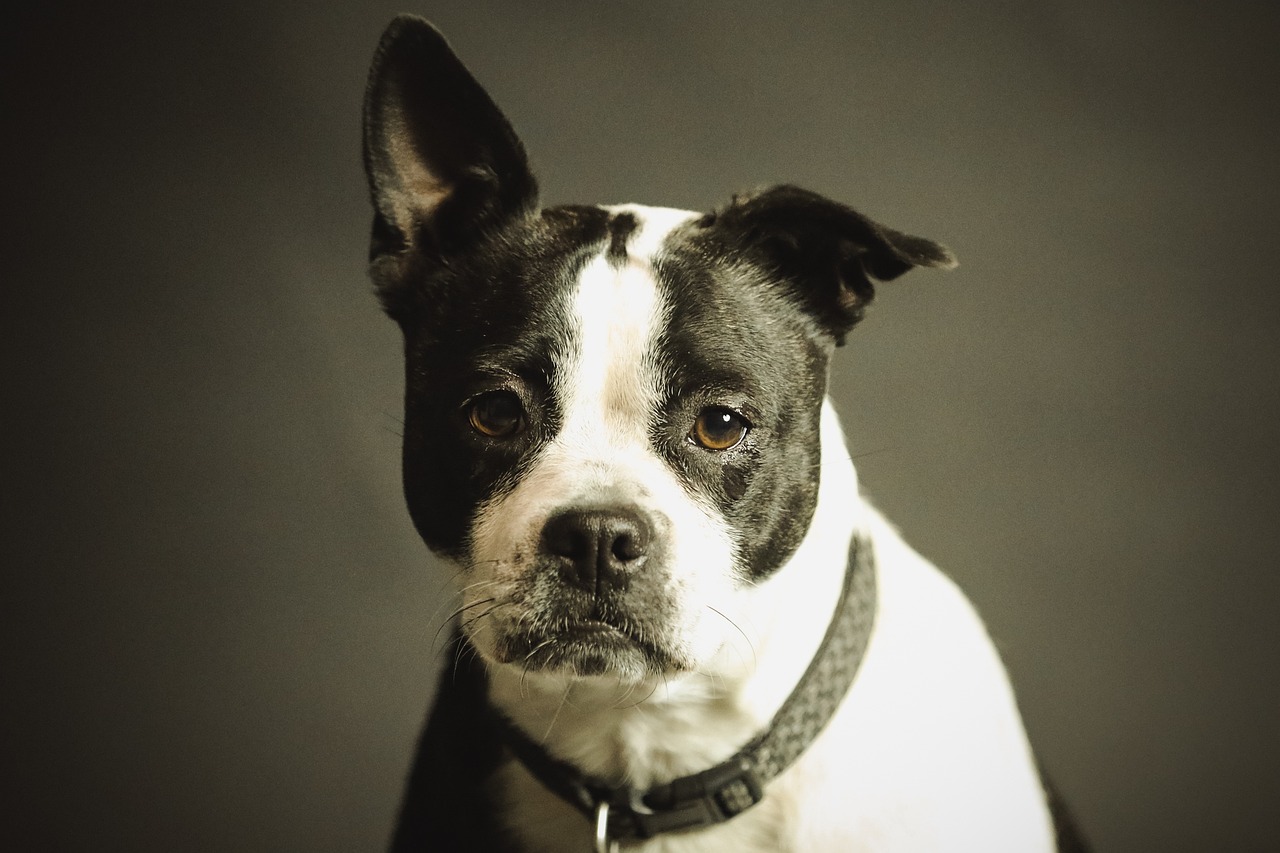
dog, pet, collar, dog collar, domestic, nature, domestic dog, black and white dog, canine, portrait, dog portrait, mammal, animal, purebred

If your pup is pacing, whining, or chewing up your furniture every time you leave, chances are they’re struggling with dog anxiety. And you’re not alone—millions of pet parents search for natural remedies for dog anxiety every year. Luckily, there are vet-approved dog anxiety tips that don’t require medication. In this guide, we’ll share how to calm a dog without medication using effective, non-invasive methods—plus links to calming products for dogs on Amazon that work. 🧠 Understanding Dog Anxiety Dog anxiety can stem from: Separation from you Loud noises (like fireworks or thunderstorms) Changes in routine or environment Previous trauma or poor socialization Some dogs experience generalized anxiety, while others show fear during travel, vet visits, or when left alone. 🔍 Signs Your Dog Might Be Anxious Symptom Meaning Excessive barking or whining Separation anxiety Trembling or hiding Noise or social anxiety Indoor accidents Stress or fear response Chewing furniture or crate Pent-up nervous energy   If these symptoms show up regularly, it’s time to look into non-medicated dog anxiety solutions. ✅ Vet-Approved Ways to Calm a Dog Without Medication These are trusted, natural remedies for dog anxiety—all backed by veterinarians and canine behaviorists. 1. Use Calming Products for Dogs (Amazon Picks) From diffusers to anxiety wraps, there are many calming products for dogs on Amazon that help reduce stress naturally: Pheromone Diffusers (like Adaptil) – mimic mother dog scent🔗 Shop Dog-Calming Diffusers ThunderShirt for Dogs – provides gentle pressure like a hug🔗 Buy ThunderShirt on Amazon Calming Chews (L-theanine, chamomile) – promote relaxation🔗 View Natural Calming Chews These are great options if you’re looking for how to calm a dog without medication. 2. Lick Mats & Puzzle Feeders Dogs release stress hormones through licking. Try a lick mat with peanut butter or a treat puzzle toy to keep them engaged. 🔗 Shop Lick Mats for Dogs These also fall under the category of non-medicated dog anxiety solutions that double as mental enrichment. 3. Set a Routine One of the best vet-approved dog anxiety tips is to keep a consistent daily routine: 🕒 Morning walk → Breakfast → Calm time → Play → Evening walk → Bedtime Routine builds predictability, which eases anxiety in dogs. 4. Create a Safe Space Use a calming dog bed, crate, or quiet room with soft lighting and calming scents. This den-like environment helps your pup feel secure. 🔗 Check Calming Dog Beds 5. Regular Exercise A tired dog is a calm dog. Try 30–60 minutes of walking, fetch, or off-leash play each day. Physical activity is one of the top natural remedies for dog anxiety. 6. Desensitization & Training If your dog fears being alone or certain sounds, gradual desensitization with positive reinforcement can work wonders. Example:Leave the house for 2 minutes → Return calmly → Increase time slowly over days. 🐾 When to See a Vet These tips show how to calm a dog without medication, but if anxiety persists, speak with your vet. Some dogs may need medication temporarily or benefit from professional training. 💬 Final Thoughts Helping your anxious pup doesn’t always mean going straight to meds. These vet-approved dog anxiety tips are safe, effective, and easy to try at home. Whether it’s a ThunderShirt, a calming chew, or a new routine, small changes can make a big difference. And if you’re shopping for trusted tools, the calming products for dogs on Amazon linked above are highly rated and recommended by fellow dog parents in 2025.