🐶 How to Choose the Best Dog Trainer Near You (Complete Guide for Pet Parents)

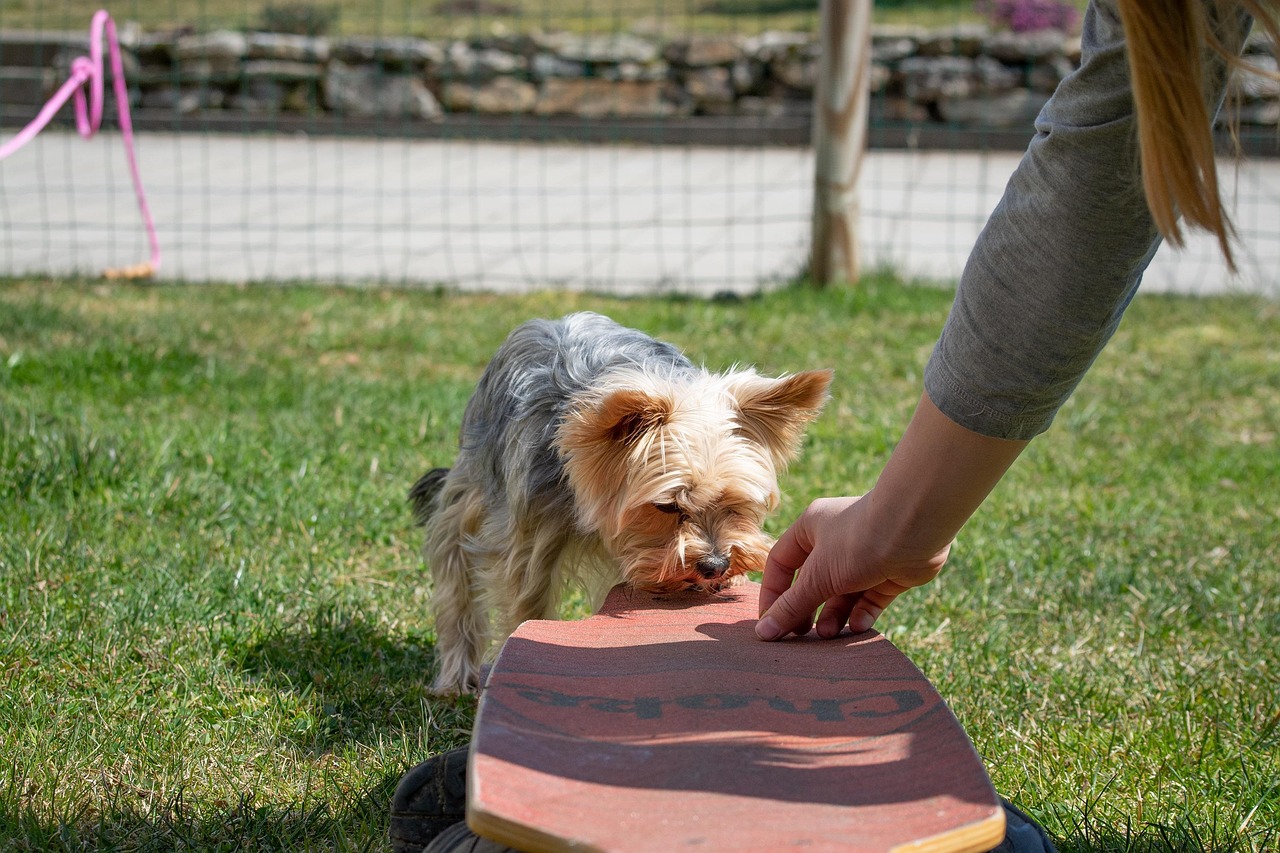
dog, dog training, small, nature, small dog, yorkie, purebred dog, pet, cute, education, garden, animal, training, outdoors, attentive

Finding the right dog trainer near you can make all the difference in your pup’s behavior, confidence, and happiness. Whether you’ve just adopted a new puppy or you’re dealing with behavioral challenges, this guide will walk you through how to find and choose a reliable dog trainer — and what tools you’ll need to support your training journey at home. 🔍 Step 1: Search “Dog Training Near Me” — and Filter Smartly Start with a simple Google search or use websites like: Thumbtack Rover Yelp Google Maps 👉 Tip: Enter your ZIP code when browsing to get hyper-local results and filter by reviews, services offered, and availability. 🧠 Step 2: Know the Types of Dog Training Available Not all training is the same. Here’s what to look for: Puppy Socialization & Basic Obedience: Great for young dogs learning commands, crate training, etc. Behavioral Modification: For issues like leash reactivity, aggression, or separation anxiety. Advanced/Agility Training: For high-energy breeds or competitive training. In-home vs. Group Classes vs. Board-and-Train: Choose what fits your schedule, goals, and dog’s temperament. 👥 Step 3: What to Ask Before You Book a Trainer Always ask these questions: Are you certified by CPDT-KA or IAABC? What training methods do you use (positive reinforcement, balanced, etc.)? Can I sit in during a session? Do you provide follow-up materials or homework? 🧩 Bonus: Must-Have Dog Training Tools You Can Order Online To support your dog’s progress at home, stock up on these essentials: ✅ 1. Dog Training Clicker Helps mark good behavior with precision. 🛒 [Check on Amazon] ✅ 2. Treat Pouch for Walks & Sessions Quick reward access = better learning. 🛒 [Check on Amazon] ✅ 3. Long Training Leash Perfect for recall training or off-leash practice in safe areas. 🛒 [Check on Amazon] ✅ 4. Snuffle Mat or Puzzle Toy Mental enrichment between training sessions. 🛒 [Check on Amazon] 📍 Final Tip: Read Reviews That Mention Specific Issues Look for testimonials from dog owners who had the same concerns — barking, fear, leash pulling, etc. You’ll get a better sense of whether the trainer is a match for your dog’s needs. 🐕 Ready to Get Started? Search “dog training near me” + your ZIP code and start comparing. A great trainer will not only teach your dog but empower you as the owner. And with the right tools at home, you’ll see progress even faster.

German Shepherd Puppy Growth Stages (with Care Tips at Each Phase)

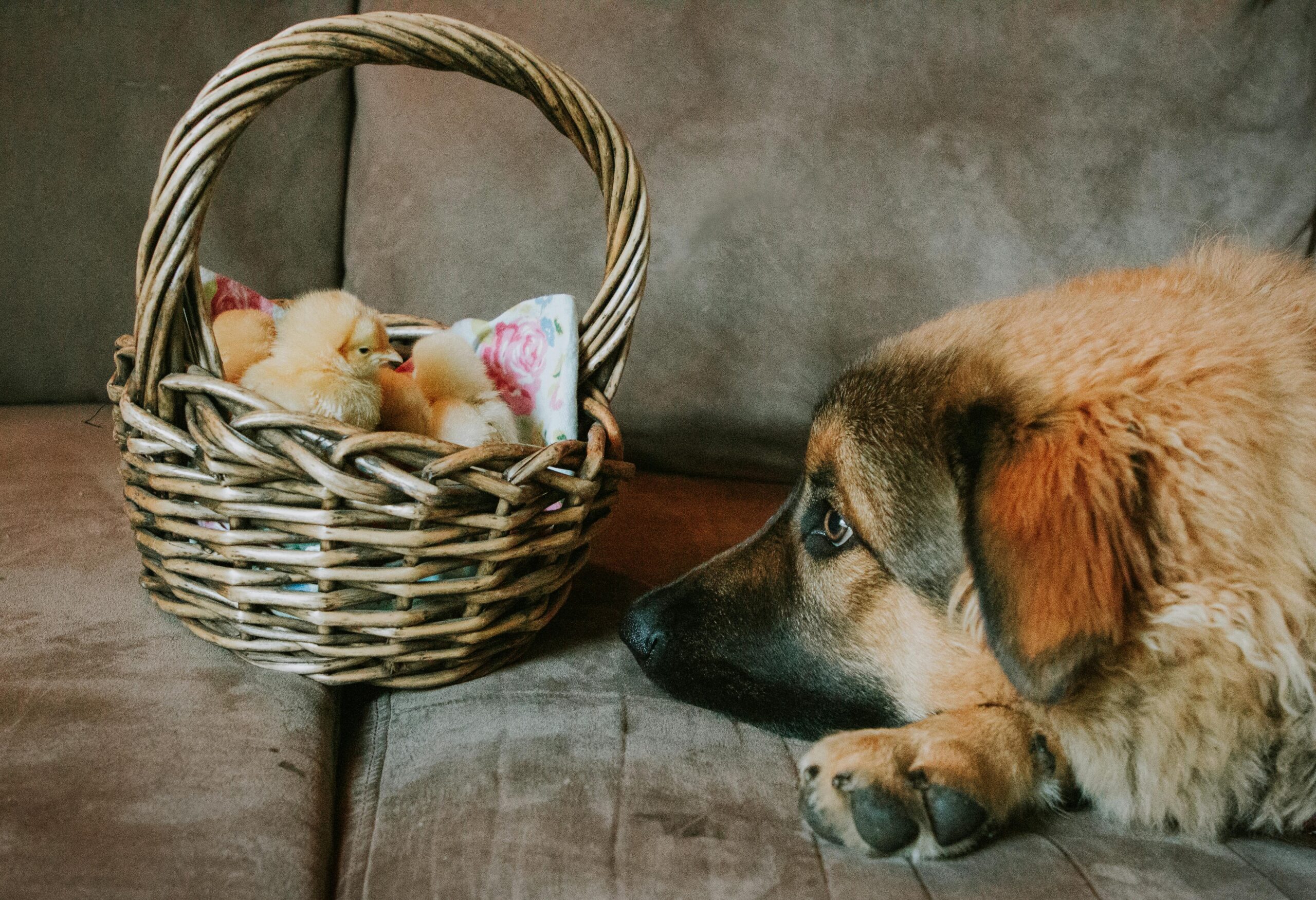
A curious dog observing fluffy yellow chicks nestled in a wicker basket on a sofa.

Raising a German Shepherd puppy is one of the most rewarding journeys for any dog lover. These pups grow quickly and go through distinct developmental phases—each with its own challenges and care needs. Below, we’ll break down the key growth stages, offer practical tips, and suggest a few must-have products to make each stage smoother for both you and your pup. 🐾 Stage 1: Newborn (0–2 Weeks) What’s Happening: Eyes and ears are closed Sleeps almost all day Fully dependent on the mother Care Tips: Keep the whelping area warm and draft-free Weigh puppies daily to monitor progress 💡 Recommended Product: Pet Heating Pad for Puppies – Keeps newborns warm without overheating. Look for a version with adjustable temperature and chew-proof cords. 🐾 Stage 2: Transitional Phase (2–4 Weeks) What’s Happening: Starts to open eyes and ears Begins crawling and exploring a bit Baby teeth appear Care Tips: Introduce gentle human contact Begin introducing light stimulation (toys, sounds) 💡 Recommended Product: Soft Plush Puppy Toys with Crinkle Sound – Gentle on tiny teeth and encourages early sensory play. 🐾 Stage 3: Socialization Window (4–12 Weeks) What’s Happening: Learns to play, chew, and socialize Very curious and quick to learn Needs gentle exposure to the world Care Tips: Start crate training and basic potty routines Begin socialization and leash introduction Feed large-breed puppy food with DHA for brain development 💡 Recommended Products: Crate with Divider for Growing Puppies – Helps with house training and keeps your pup secure at night.  Royal Canin German Shepherd Puppy Dry Food or Hill’s Science Diet Large Breed Puppy – Specially formulated for growing joints and brain health.  🐾 Stage 4: Juvenile Phase (3–6 Months) What’s Happening: Teething intensifies Grows rapidly—may look awkward Builds curiosity and independence Care Tips: Provide safe chewing options Stick to consistent walk and feeding routines 💡 Recommended Products: KONG Puppy Chew Toy – Durable and fillable with treats or peanut butter. Perfect for teething.  No-Pull Puppy Harness with Leash – Great for training polite leash behavior early.  🐾 Stage 5: Adolescence (6–18 Months) What’s Happening: Hormones surge Tests boundaries Full of energy and intelligence Care Tips: Stay consistent with training Provide mental stimulation daily Consider joint-supporting supplements 💡 Recommended Products: Interactive Puzzle Toy for Dogs – Keeps your GSD mentally engaged indoors.  Glucosamine Supplement for Large Breed Puppies – Support developing hips and joints early.  🐾 Stage 6: Adulthood (18+ Months) What’s Happening: Reaches full size More emotionally stable Still needs consistent activity Care Tips: Switch to adult large-breed food Stay active and keep their mind busy Schedule annual health check-ups 💡 Recommended Products: Adult German Shepherd Dry Dog Food (breed-specific formula for coat & joint health)  Dog Agility Set or Training Tunnels – Great for exercise and bonding.  🎯 Growth Milestone Chart (Quick View) Age Weight Range Milestones 8 weeks 16–20 lbs Socialization begins 3 months 25–30 lbs Puppy training, teething 6 months 45–60 lbs Adolescence kicks in 1 year 65–75 lbs Nearly full size, high energy 18+ months 70–90 lbs (males) Full adult form, mentally mature 🐶 Final Thoughts Every growth stage of your German Shepherd puppy comes with excitement and challenges. By understanding what’s normal and having the right tools—like chew toys, supplements, and food—you’ll be better prepared to raise a healthy, happy companion. Tip: Keep a journal of your pup’s growth—it helps track changes, vet visits, and training progress.

Dog Training & Behavior

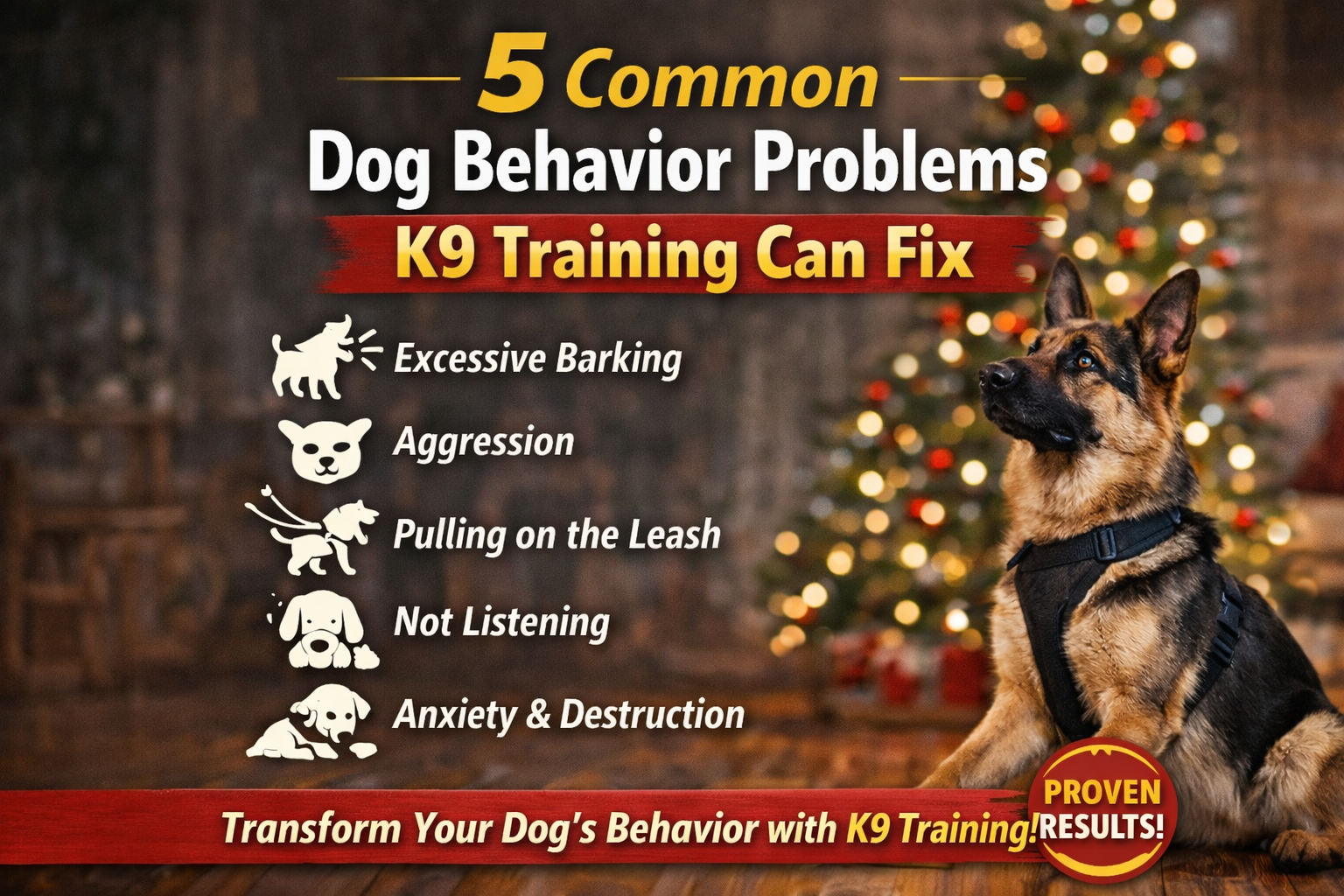
Dog Training & Behavior All Posts   Back First Time Dog Owners Dog Health Dog Gear & Reviews Product Reviews Interesting Dog Facts Christmas Pawty 5 Common Dog Behavior Problems K9 Training Can Fix January 10, 2026/No Comments Struggling with barking, aggression, or a dog that won’t listen? These are common behavior problems many dog owners face every… Read More 🧠 10 Easy Dog Enrichment Ideas to Keep Your Pup Happy Indoors November 11, 2025/No Comments Bored dog at home? Try these 10 easy enrichment ideas to keep your pup mentally sharp and emotionally happy —… Read More 🏙️ Best Dog Breeds for Apartment Living in 2025 November 8, 2025/No Comments Discover the best dog breeds for apartment living in 2025 — calm, compact, and perfectly suited for small spaces. Whether… Read More 🐶 How to Choose the Best Dog Trainer Near You (Complete Guide for Pet Parents) June 9, 2025/No Comments Finding the right dog trainer near you can make all the difference in your pup’s behavior, confidence, and happiness. Whether… Read More German Shepherd Puppy Growth Stages (with Care Tips at Each Phase) June 1, 2025/No Comments Raising a German Shepherd puppy is one of the most rewarding journeys for any dog lover. These pups grow quickly… Read More Which Dog Breed Matches Your Personality? (Take the Quiz!) May 31, 2025/No Comments Have you ever wondered which dog breed would be your perfect match—not just by looks, but by personality? Some people… Read More 🐶 Best Dog Breeds for First-Time Pet Owners (Small, Medium & Large) May 7, 2025/2 Comments Bringing a dog into your life for the first time is exciting—but also a little overwhelming. Choosing the right breed… Read More Must-Have Dog Training Tools for First-Time Puppy Owners (2025 Guide) April 23, 2025/No Comments Bringing home a new puppy? Congratulations! 🎉 But along with the cuddles and zoomies comes the real challenge—training your pup… Read More Best Dog Training Treats & How to Use Them Effectively March 13, 2025/No Comments Training your dog is an essential part of ensuring good behavior, strengthening your bond, and making everyday life easier. One… Read More Load More End of Content.

🐶 Best Dog Breeds for First-Time Pet Owners (Small, Medium & Large)

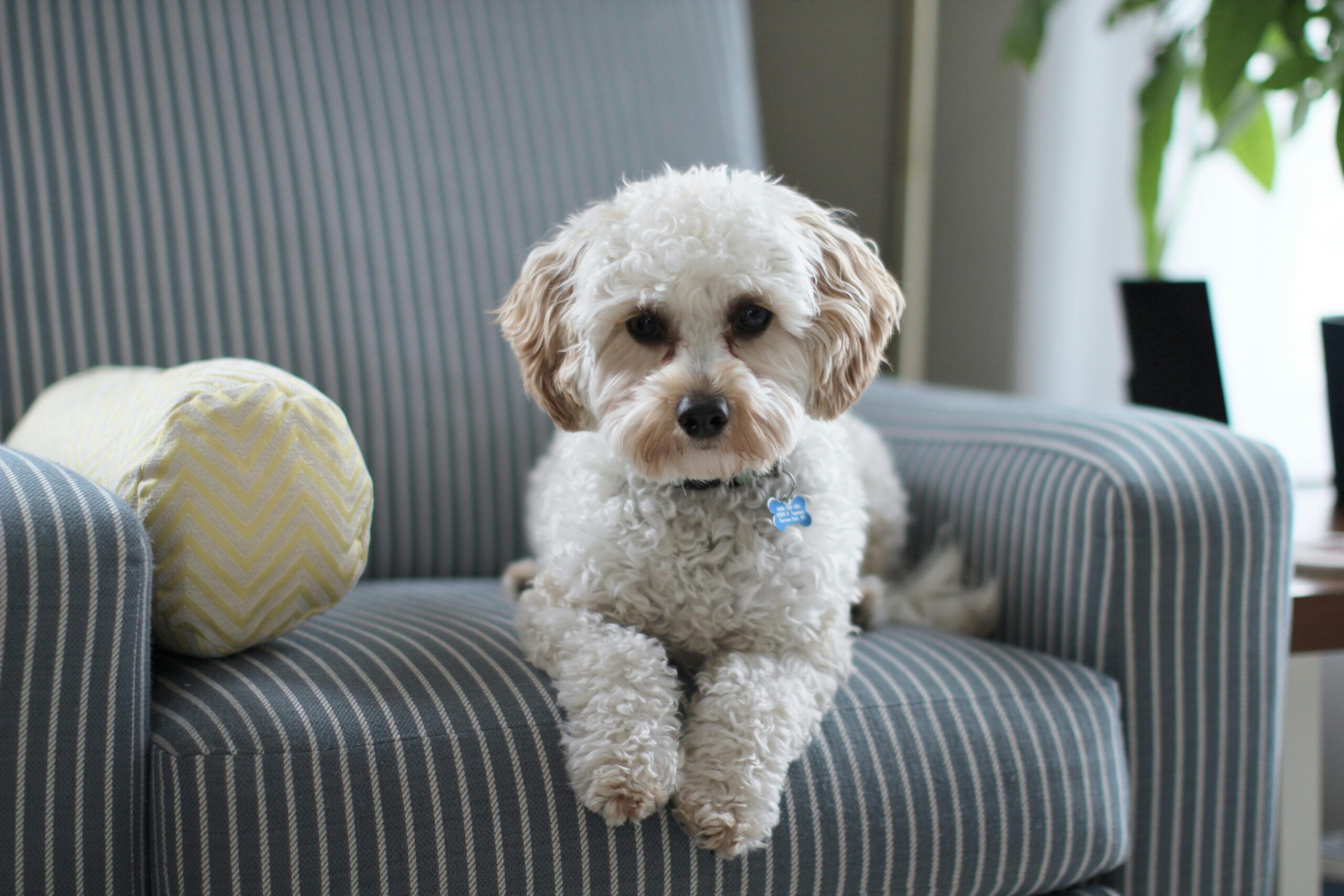
Cute Cavapoo puppy lounging on a striped chair in a cozy room setting.

Bringing a dog into your life for the first time is exciting—but also a little overwhelming. Choosing the right breed is one of the most important decisions you’ll make as a new pet parent. Some dogs are easier to train, groom, and manage than others—especially for beginners. To help you start off on the right paw, here’s a guide to the best dog breeds for first-time pet owners, categorized by size—with affiliate product picks to help you gear up! 🐕‍🦺 What Makes a Dog Breed Beginner-Friendly? Before we jump into the list, here’s what we looked for: Low-to-moderate energy levels Easy to train Good temperament (especially with kids and other pets) Low grooming needs Adaptability to home environments 🐾 Small Dog Breeds for First-Time Owners 1. Cavalier King Charles Spaniel Friendly, affectionate, and easy to manage. Great for apartments and families. Recommended Gear:🔗 Small Dog Harness & Leash Set on Amazon🔗 Compact Dog Bed for Small Breeds 2. Bichon Frise Hypoallergenic, cheerful, and loves human company. Light exercise needs. Recommended Gear:🔗 Gentle Dog Shampoo for Sensitive Skin🔗 Slicker Brush for Bichon Coat 3. Pug Low maintenance and super affectionate. Known for their goofy charm and snuggly nature. Recommended Gear:🔗 No-Pull Pug Harness🔗 Cooling Mat for Short-Nosed Dogs 🐕 Medium Dog Breeds for First-Time Owners 4. Labrador Retriever Loyal, smart, and always eager to please. Great for active families and quick learners. Recommended Gear:🔗 Training Treat Pouch🔗 Durable Fetch Toys for Labs 5. Golden Retriever Gentle, loving, and sociable. Ideal for homes with kids and first-time pet owners. Recommended Gear:🔗 Deshedding Tool for Golden Retrievers🔗 Large Breed Adjustable Collar 6. Standard Poodle Extremely smart, hypoallergenic, and very trainable. Requires regular grooming but minimal shedding. Recommended Gear:🔗 Poodle Grooming Clippers🔗 Puzzle Toys for Smart Dogs 🐕‍🦺 Large Dog Breeds for First-Time Owners 7. Bernese Mountain Dog Calm, loyal, and gentle giants. Great for first-timers with space. Recommended Gear:🔗 Orthopedic Bed for Large Dogs🔗 Heavy-Duty Leash for Strong Breeds 8. Boxer Energetic and playful with a strong bond to their owners. Very affectionate and kid-friendly. Recommended Gear:🔗 Interactive Ball Launcher🔗 Boxer-Specific Dog Food 9. Greyhound Surprisingly low-energy and laid-back. Retired racing Greyhounds make excellent, calm companions. Recommended Gear:🔗 Greyhound Harness for Long Necks🔗 Snug Dog Pajamas for Thin-Coated Breeds 🧠 Final Tips Before Bringing Your First Dog Home Do your research on the breed’s temperament and energy needs. Dog-proof your home with gates, crates, and chew-safe toys. Invest in training early to build a strong, trusting bond. Stock up on the basics with a breed-specific shopping list. ✅ Wrap-Up Choosing the right breed is the first step to a happy, stress-free life with your new furry friend. Whether you want a snuggly lapdog or a playful companion for the kids, these breeds make excellent choices for first-time dog parents. Don’t forget to gear up with the right supplies—your future self (and your pup) will thank you!


Must-Have Dog Training Tools for First-Time Puppy Owners (2025 Guide)

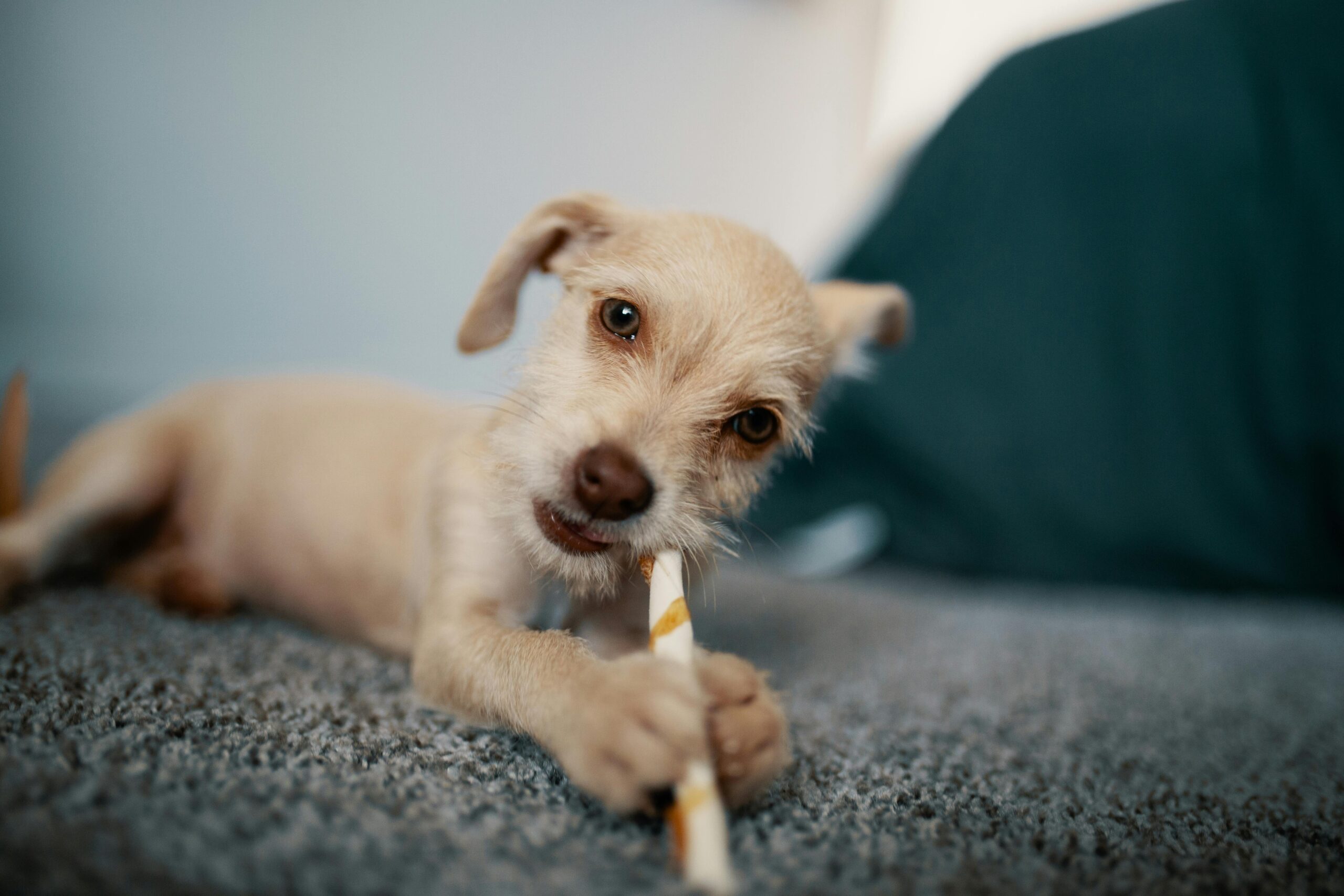
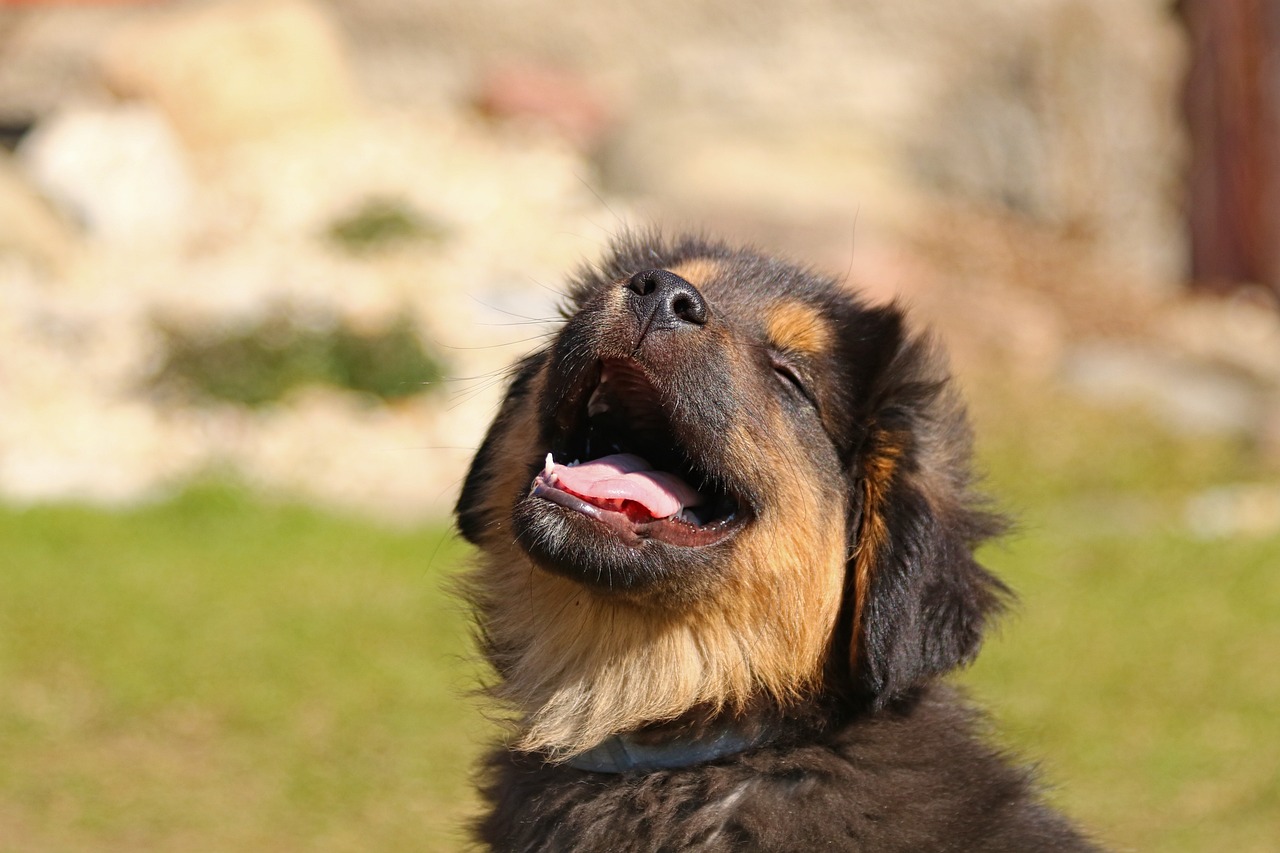
animal, nature, puppy, dog, canine, pet, mammal, fur

Bringing home a new puppy? Congratulations! 🎉 But along with the cuddles and zoomies comes the real challenge—training your pup to be well-behaved, happy, and confident. As a first-time dog parent, the right tools can make all the difference. Here’s a list of essential dog training tools every puppy owner should have, all under one roof—and all available on Amazon. 🎯 Why Training Tools Matter for Puppies Builds a strong bond between you and your dog Helps prevent unwanted behaviors early Encourages positive reinforcement Speeds up potty training and obedience 🧰 10 Must-Have Puppy Training Tools (Amazon Picks) 1. Dog Clicker Trainer 🔹 Why it helps: Reinforces positive behavior with a distinct sound🔗 Shop on Amazon 2. Adjustable Puppy Harness + Leash Set 🔹 Why it helps: Keeps your pup secure on walks, no pulling or choking🔗 Shop on Amazon 3. Training Treats for Puppies 🔹 Why it helps: Small, soft, high-reward treats for instant motivation🔗 View on Amazon 4. Treat Pouch with Clip or Waist Belt 🔹 Why it helps: Quick access to rewards during walks or sessions🔗 Buy Now 5. Puppy Pee Pads (Leak-Proof) 🔹 Why it helps: A must-have for indoor potty training🔗 Check Price 6. No-Chew Spray for Puppies 🔹 Why it helps: Deters furniture chewing and biting habits🔗 Shop on Amazon 7. Basic Obedience Training Book or Flashcards 🔹 Why it helps: Step-by-step guidance for commands and behavior shaping🔗 Shop here 8. Crate for Crate Training 🔹 Why it helps: Builds independence and speeds up potty training🔗 Crate Options   9. Interactive Toys for Mental Stimulation 🔹 Why it helps: Prevents boredom and encourages focus🔗 View on Amazon   10. Dog Whistle or Training Bell 🔹 Why it helps: Great for recall training and communication🔗 Buy Now 💡 Pro Tips for First-Time Puppy Owners   Tip Why It Helps Be consistent Dogs learn faster with routine and clear rules Use positive reinforcement Reward-based training works best Keep sessions short 5–10 minutes is ideal for young pups Socialize early Introduce new sights, sounds, and people Be patient Puppies make mistakes—it’s all part of learning ✅ Final Words Training a puppy doesn’t have to be stressful. With the right tools, a little patience, and lots of love, your pup will grow into a well-behaved companion. 🐾 Start with the basics listed above and make your puppy’s first year the best it can be!